Jeffrey Schwarz's new documentary, Mineshaft: The Cruising Murders, revisits the controversy of William Friedkin's 1980 film Cruising, a crime thriller set in New York's leather-bar scene, and explores its impact on LGBTQ cinema.
Documentary Focus
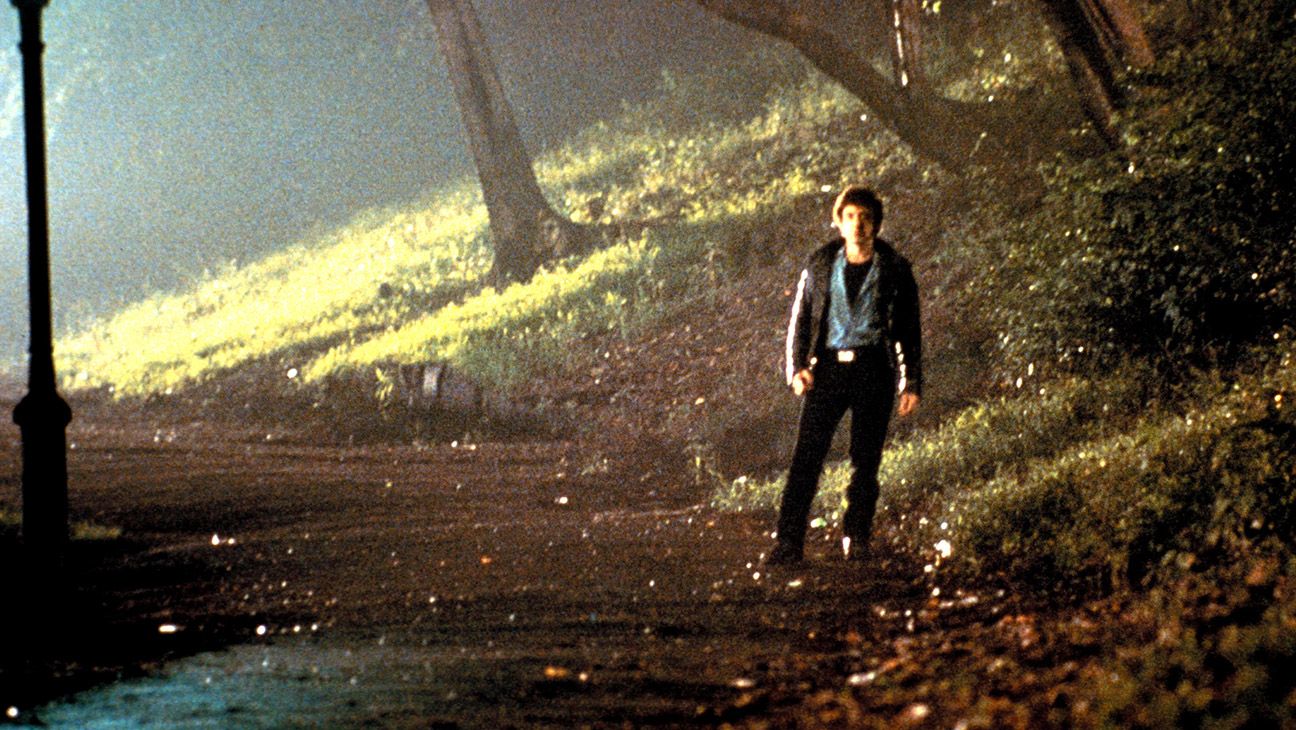
The film, featured at the Tribeca Festival under the Spotlight Documentary section, examines the real-life murder that inspired Cruising, the production challenges faced due to massive protests from LGBTQ activists, and the controversies surrounding its portrayal of the gay community. Starring Al Pacino, the original film faced significant backlash during its production, with activists worried about its potential to incite homophobic violence.
Schwarz's Approach
Schwarz, known for chronicling queer pop culture with works like Tab Hunter Confidential and I Am Divine, takes a multifaceted approach in Mineshaft. He contextualizes Cruising within a period when Hollywood rarely portrayed gay men with complexity. The film's ambiguous ending, where questions linger about the protagonist's sexuality and potential culpability, sparked further debate.
Controversy and Protests
The controversy was fueled by Arthur Bell, an openly gay Village Voice columnist, who obtained the script and called for protests against what he deemed a bigoted portrayal of homosexuality. The resulting demonstrations were seen as a pivotal moment for queer activism, creating a divide between the film's creators and the community.
Despite its historical significance, Cruising is still viewed as an uneasy entry in LGBTQ cinema. Friedkin, who passed away in 2023, claimed the film was never meant to represent the entire gay community, focusing instead on a specific subculture. However, many felt the film's portrayal reinforced negative stereotypes.
The Real-Life Inspiration
The documentary also delves into the murder of Addison Verrill, a Variety reporter, by Paul Bateson, a former radiological technician. Bateson's confession and connection to the 'Bag Murders' added layers to Cruising's narrative. Interviews with Verrill's former partner, Bob Geary, and his sister, Pamela Verrill Walker, provide emotional depth to the documentary.
While Cruising has been re-evaluated by some as a classic, Schwarz's documentary questions its legacy. The film's depiction of the gay leather scene and its impact on mainstream audiences continue to be debated.
Schwarz's documentary, accompanied by a synthwave score from Makeup and Vanity Set, captures the era's atmosphere but struggles with a cohesive narrative. The material might have benefitted from a more expansive format, possibly as a limited series.
For those interested in queer history, Mineshaft provides valuable insights into the cultural landscape of the late 1970s and early 1980s, a time of sexual freedom before the AIDS crisis. Friedkin's work, albeit controversial, offers a glimpse into a bygone era of New York's vibrant gay scene.
Source: https://www.hollywoodreporter.com/movies/movie-reviews/mineshaft-the-cruising-murders-review-william-friedkin-1236612942/