Volker Schlöndorff, the renowned director, is back at Cannes with no competitive pressure, embracing the festival's atmosphere while reflecting on his storied career. "Go for the fun," former Cannes chief Gilles Jacob advised him, a suggestion fitting for someone who already holds a Palme d'Or.
Early Cannes Scandal
Schlöndorff's Cannes journey began in 1966 with Young Törless, his debut film that courted controversy. A German cultural attaché stormed out, declaring, "This is not a German film!" The resulting publicity was invaluable, according to Schlöndorff. His calm and precise articulation reflects decades of engaging in conversations about cinema, politics, and history.
Cannes Milestones and Beyond
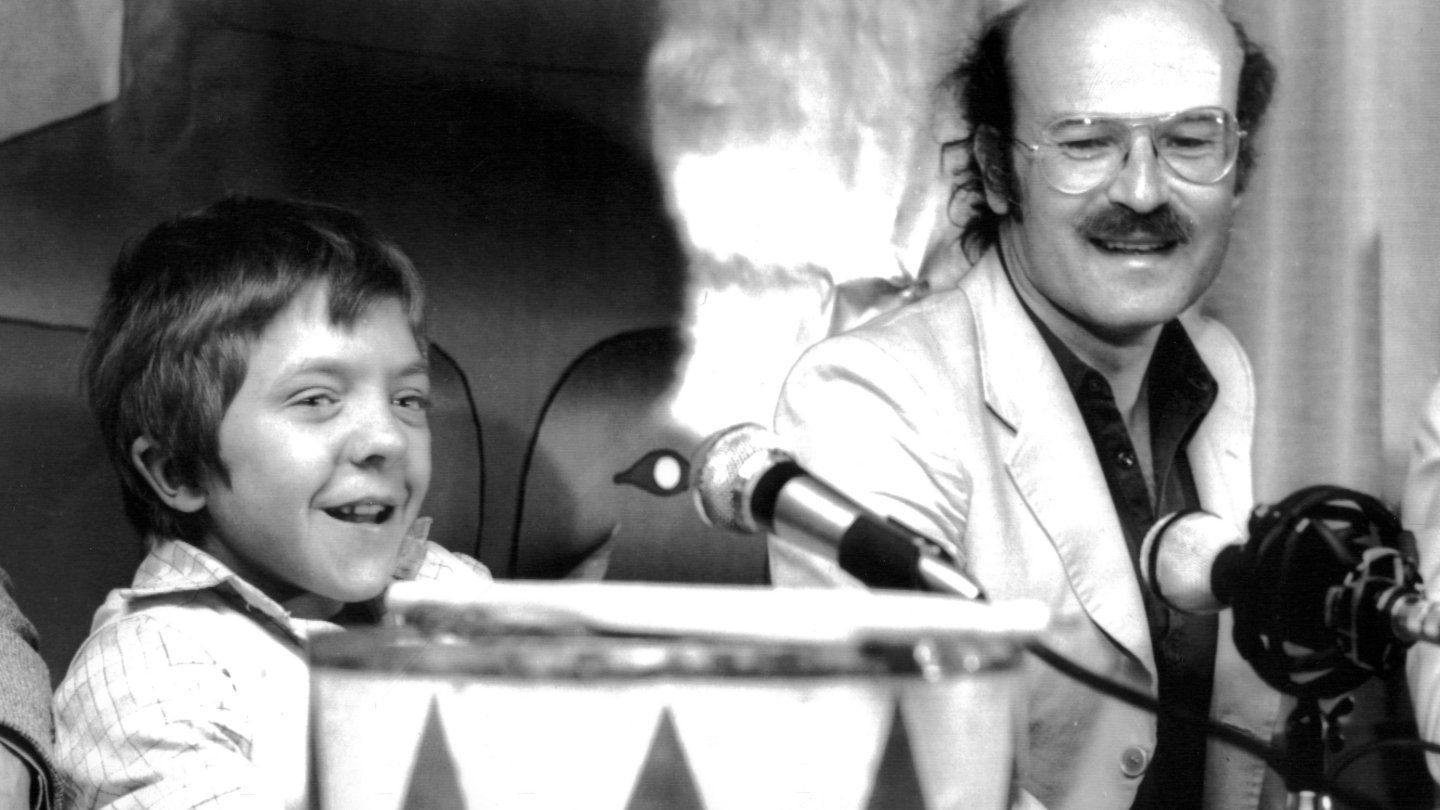
The director's return to Cannes was consistent through the late 1960s and 1970s, with a peak moment in 1979. That year, his adaptation of Günter Grass' The Tin Drum won the Palme d'Or, shared with Francis Ford Coppola's Apocalypse Now. The film subsequently became the first German production to win an Oscar for best foreign-language film post-World War II.
"Sometimes, you're kissed by the Muses," Schlöndorff says of his success with The Tin Drum, recognizing it as the peak of his career. The film cemented his international reputation and solidified his thematic focus on history's pervasive impact on personal lives.
Visitation and the Political Lens
This year, Schlöndorff presents Visitation, an adaptation of Jenny Erpenbeck's novel, examining lives transformed by historical events. The film spans decades, reflecting on the Nazi era and East Germany, with a cast including Lars Eidinger and Martina Gedeck. StudioCanal is managing international sales.
Schlöndorff's films often confront the coexistence of political and personal realms. Born in wartime Germany and educated in France, his work embodies the intellectual rigor of the French New Wave, complemented by his friendship with Billy Wilder, from whom he learned to balance professional dedication with personal life.
Political Themes and Studio Babelsberg
Schlöndorff's political engagement remains a constant. He was a vocal critic of postwar Germany's institutional remnants of Nazism, an issue explored in films like The Lost Honor of Katharina Blum and The Legend of Rita. Despite his sympathies with the radical movements of the 1960s, he clarifies, "I never justified political violence."
His career included a significant stint reviving Studio Babelsberg post-Berlin Wall, an endeavor he describes as necessary but creatively taxing. "Somebody had to do it," he reflects, acknowledging the trade-off between filmmaking and studio management.
Schlöndorff's enduring influence and candid reflections underscore a career characterized by a profound engagement with history and cinema. "Je ne regrette rien," he states, embodying a life lived without regrets.
Source: https://www.hollywoodreporter.com/movies/movie-news/cannes-legend-volker-schlondorff-has-no-regrets-1236597038/