
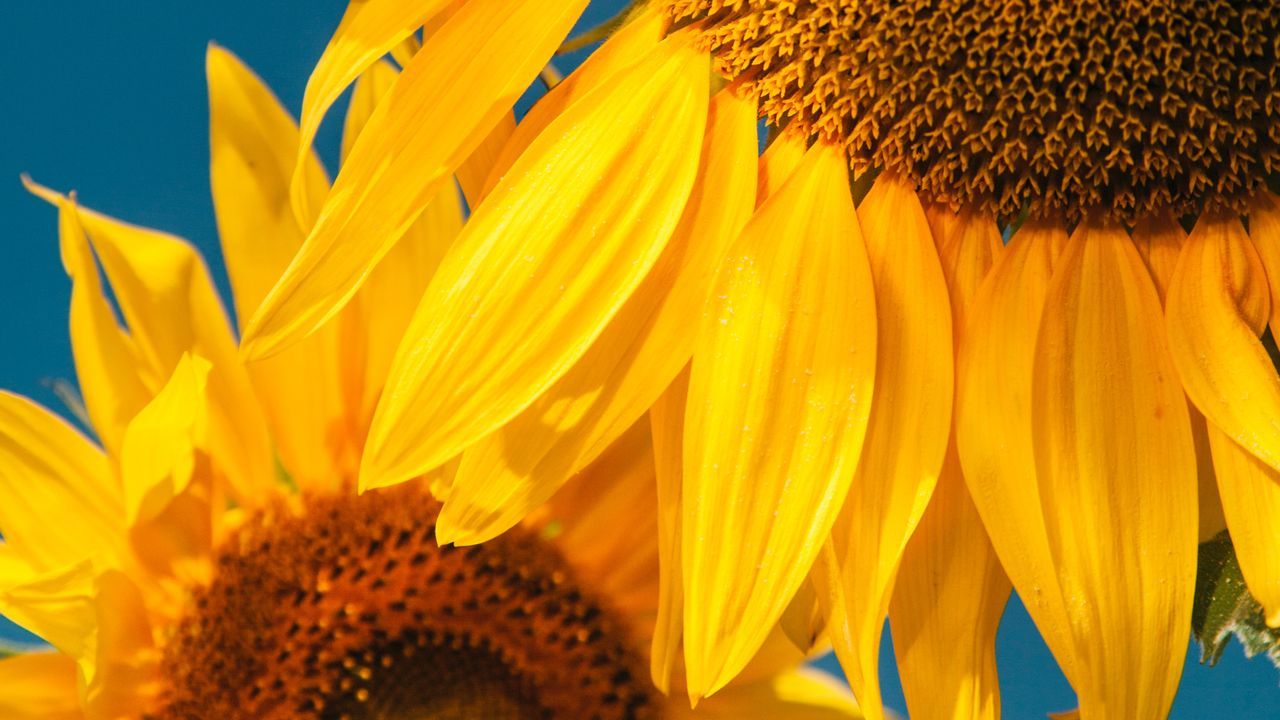
Sunflower seeds are emerging as a top choice for health-conscious snackers due to their high protein content and nutritional benefits.
Understanding Sunflower Seeds
Sunflower seeds are found at the center of the sunflower bloom and are typically sold with or without their hard shell. They can be consumed raw or roasted.
Nutritional Benefits
These seeds are a standout source of protein. USDA data reveals that 100 grams of raw sunflower seed kernels contain 18.9 grams of protein, in contrast to 12.4 grams found in two large eggs.
According to a 2025 study in Food and Humanity, sunflower seeds are rich in vitamin E, an antioxidant that combats oxidative stress and inflammation. This vitamin supports the immune system and may lower chronic disease risks.
Umo Callins, MS, RD, highlights that sunflower seeds are also rich in B vitamins, magnesium, selenium, copper, zinc, iron, and potassium. These nutrients support energy production, muscle and nerve functions, and red blood cell formation.
Additionally, the seeds are a good source of essential fatty acids, notably linoleic acid, which promotes cardiovascular health.
100 grams of sunflower seeds offer 7.2 grams of fiber, contributing to daily fiber needs. However, as Callins notes, sunflower seeds should be part of a balanced diet and not viewed as a singular solution for health.
Roasting Effects
Roasting enhances flavor and shelf life but may reduce some heat-sensitive nutrients like vitamin E. A 2021 Food Science & Nutrition study suggests roasting preserves more nutrients and antioxidants compared to boiling.
Consumption Guidelines
Callins recommends eating about 1 ounce (1/4 cup) of shelled sunflower seeds per day. While nutritious, they are calorie-dense and can be high in sodium if salted.
Considerations and Cautions
Individuals with sunflower seed allergies should avoid them. Those monitoring sodium, calories, phosphorus, or potassium intake should be mindful of their portion sizes and seasoning choices, especially with salted seeds.
Source: https://www.vogue.com/article/sunflower-seeds