
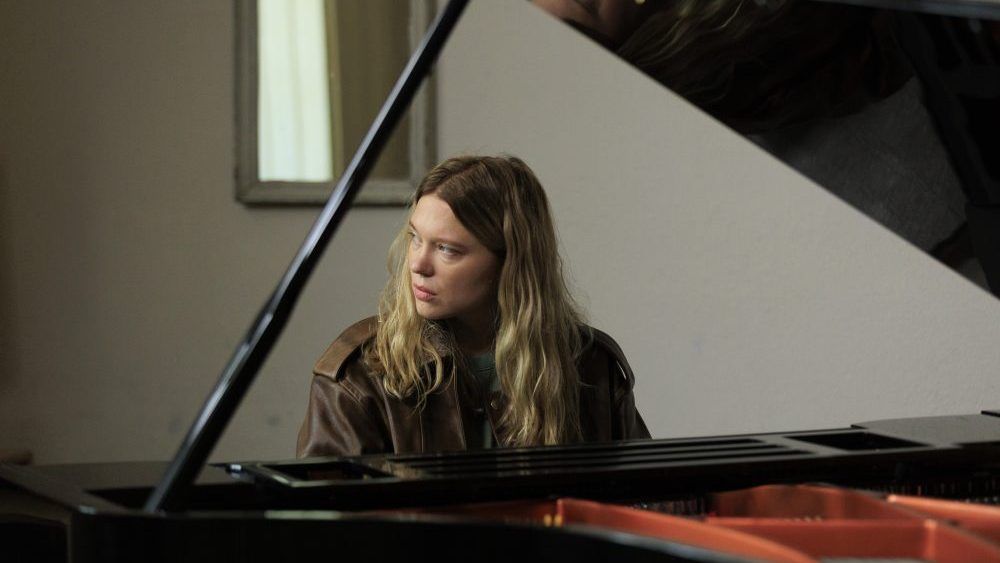
Marie Kreutzer's 'Gentle Monster' presents a bleak narrative that starkly contrasts with its cheerful opening image, setting an unsettling tone for this Cannes entry.
Family Dynamics
The story centers on Johnny (Malo Blanchet), a young boy living with his French musician mother Lucy (Léa Seydoux) and Austrian filmmaker father Philip (Laurence Rupp). Lucy's avant-garde musical performances and Philip's burnout from TV work drive the family to seek solace in the German countryside. Their new setting, captured by DP Judith Kaufmann’s naturalist frames, suggests a fresh start, but it quickly unravels.
Shocking Allegations
Stability shatters when the Munich child sex crimes unit, led by officer Else Kühn (Jella Haase), arrives to investigate Philip. Computers and phones are seized, and Philip is arrested, leaving Lucy grappling with the possibility that her husband is involved in child pornography and potentially has abused their son.
Lucy's Struggle
Seydoux excels in portraying Lucy's internal turmoil, oscillating between denial and desperation to believe Philip's shifting explanations. Her initial relief when Philip claims financial motives for his actions turns to despair as lies are exposed. Kühn's disdain for Lucy's attempts to rationalize Philip's actions further isolates her.
Parallel Narratives
A subplot involving Kühn's father, whose inappropriate behavior towards his carer Natalia (Patrycja Ziółkowska) highlights similar themes of abuse and minimization, mirroring Lucy's situation. This parallel suggests an overarching commentary on the tendency to excuse male misconduct.
Despite meticulous research and powerful performances, 'Gentle Monster' leaves audiences questioning the intention behind its narrative, offering no resolution or hope beyond its grim exploration of trust and betrayal.
Source: https://variety.com/2026/film/reviews/gentle-monster-review-1236750192/