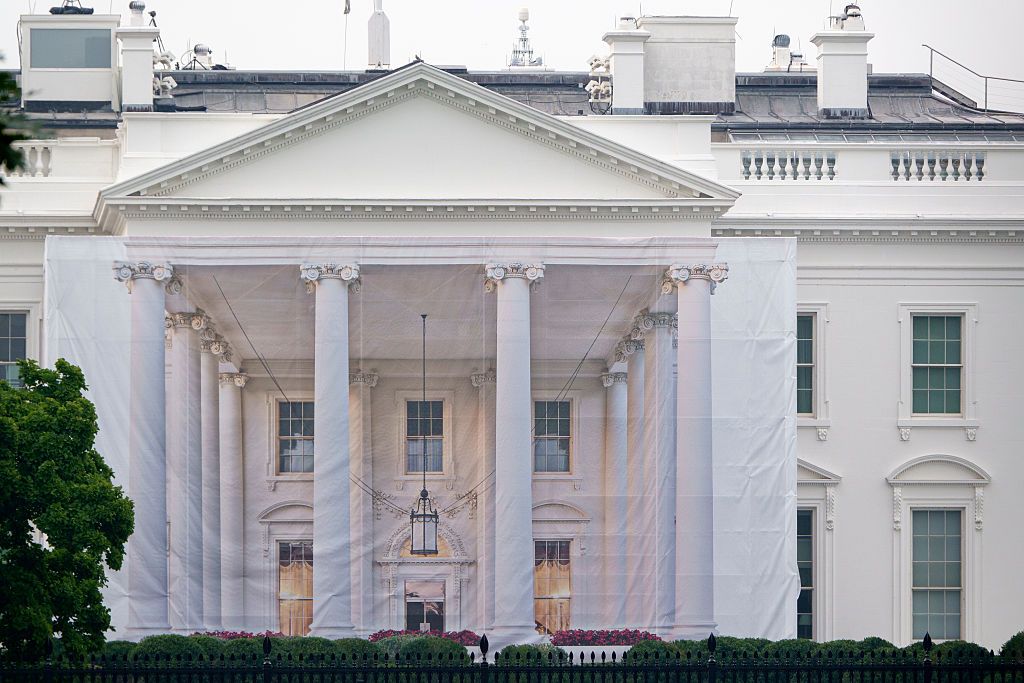
The U.S. government's warrant-less surveillance law is set to expire for the first time after the House of Representatives failed to renew it, amid controversy over President Trump's intelligence agency appointment.
House Vote Falls Short
The House voted 218-198 on the bill, which required a two-thirds majority to pass. Nineteen Republican lawmakers joined Democrats in opposing the renewal. According to Politico, the next vote is scheduled for June 23.
The Foreign Intelligence Surveillance Act (FISA), particularly Section 702, allows U.S. intelligence agencies to collect information to identify foreign threats. Despite bipartisan support for the law, efforts to renew it stalled, with lawmakers managing only short-term extensions.
Controversial Appointment
Controversy intensified when Trump appointed Bill Pulte as acting U.S. director of national intelligence. Critics feared Pulte would politicize the intelligence community. Politico described Trump as increasingly isolated, driven by grievances. Democrats argued Pulte's appointment posed a greater threat to national security than the law's expiration.
Pulte, lacking intelligence experience, was set to begin on June 19. However, the administration withdrew his nomination, replacing him with Jay Clayton, U.S. Attorney for the Southern District of New York and former SEC head.
Surveillance Powers Continue
The expiration of Section 702 does not immediately end U.S. surveillance operations. The Foreign Intelligence Surveillance Court approved spy programs in March, allowing them to continue until March 2027. Nonetheless, phone companies may hesitate to share data without explicit legal backing.
Other surveillance avenues, like Executive Order 12333, remain available. Still, lawmakers like Sen. Ron Wyden warn of FISA abuses. Wyden, privy to classified details, suggests that secret interpretations of Section 702 affect Americans' privacy rights.
Historical Context
Section 702 gained notoriety in 2013 after Edward Snowden's leaks exposed extensive U.S. surveillance, including American data, under programs like PRISM. These revelations prompted calls for FISA reform, with some lawmakers demanding court-approved warrants for accessing private communications.
The current situation underscores ongoing tensions between national security and civil liberties, as Congress grapples with reforming surveillance laws.
Source: https://techcrunch.com/2026/06/12/us-spy-law-to-expire-for-first-time-after-lawmakers-reject-trumps-controversial-pick-to-lead-spy-agencies/