
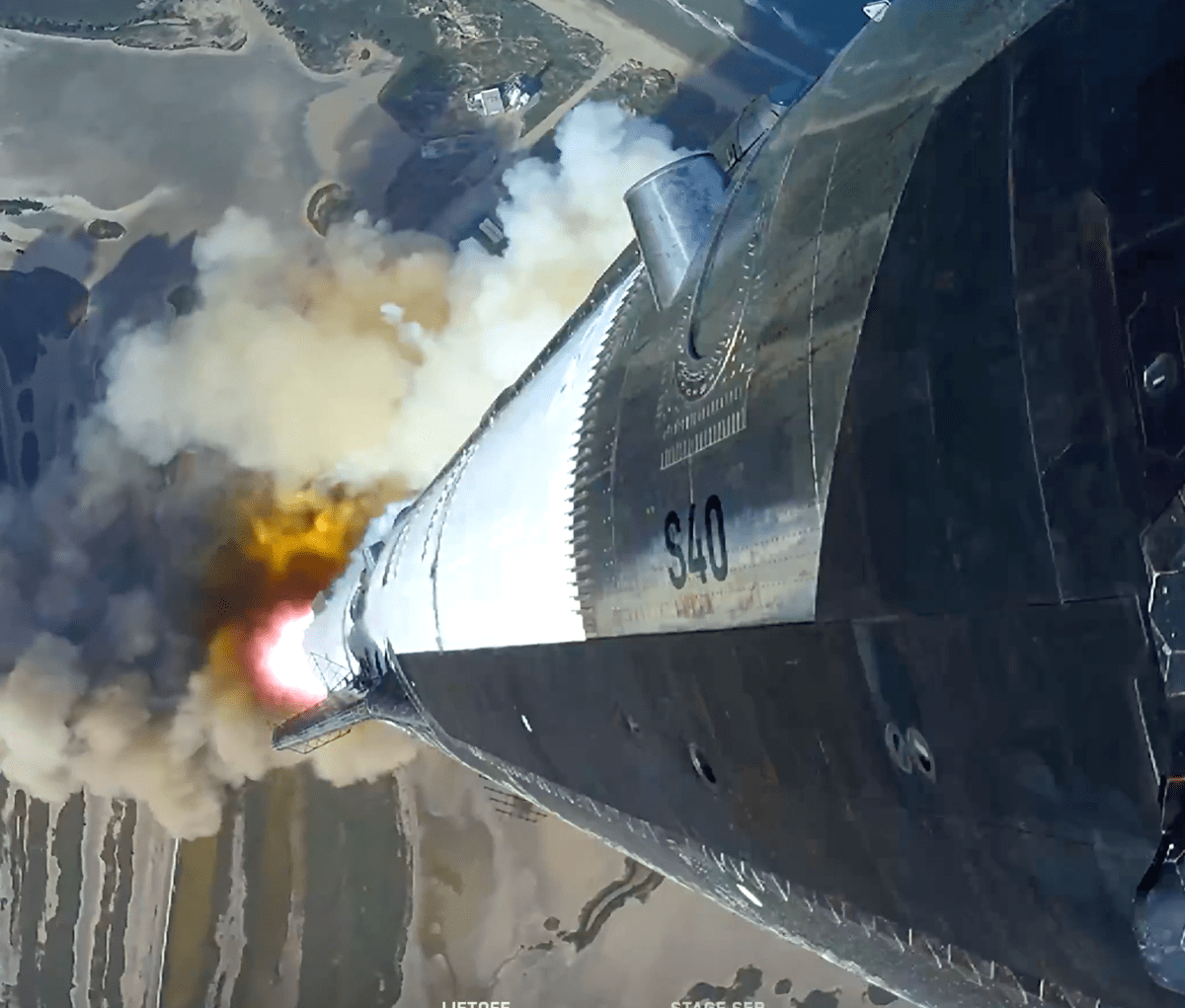
SpaceX successfully launched its first third-generation Starlink satellites on Friday using a prototype Starship, marking the 13th test flight of the mega-rocket. However, a Super Heavy booster failure occurred during a simulated landing in the Gulf of Mexico.
Second Booster Failure
This incident marks the second failure with the Super Heavy booster on the Starship V3 version. SpaceX previously faced a booster setback during the first Starship V3 flight in May, when the booster failed after separating from the rocket's upper stage.
Engine Replacement and Launch Details
Last week, SpaceX aborted the 13th Starship launch attempt immediately after ignition due to multiple engine failures. For Friday's launch, the company replaced six engines in response. Despite initial progress, the booster failed to ignite all necessary engines for its landing burn, resulting in an explosive water impact.
Stock Market Impact
This launch follows SpaceX's public debut in June, which was the largest IPO in history. The company's stock has seen a decline, dropping from over $200 to $115 per share by Friday's close. The booster failure further impacted shares, with a 2% dip in after-hours trading.
Successful Starship V3 Upper Stage
In contrast to the booster issues, the Starship V3 upper stage performed without incident during Friday's launch, unlike its previous engine loss in May. The new Starlink satellites, however, are still expected to burn up in the atmosphere 20 minutes post-deployment, as the Starship lacks full orbit-reaching capability.
Source: https://techcrunch.com/2026/07/24/spacex-launches-new-v3-starlink-satellites-but-suffers-another-booster-failure/