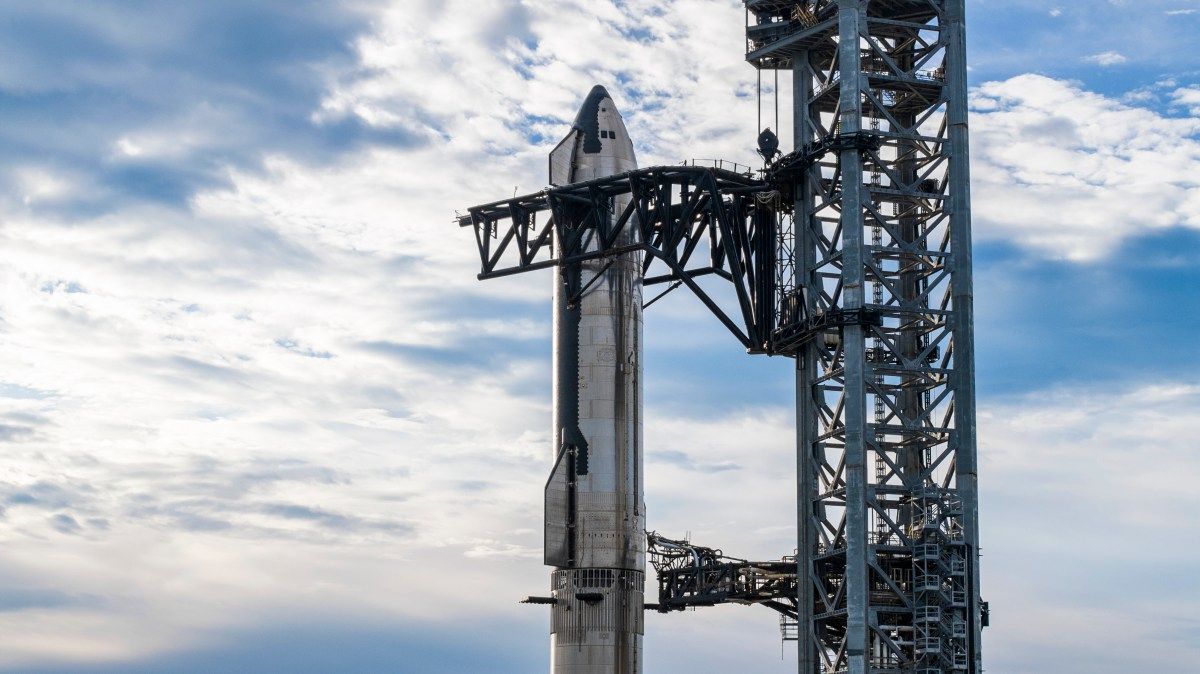
SpaceX's recent S-1 filing and the latest Starship test flight reveal challenges for the company's future, as they struggle to achieve full reusability for Starship, a critical factor in managing costs and sustaining operations.
Financial Realities of Starlink
Though SpaceX is involved in multiple business ventures, Starlink remains its primary revenue driver. In 2025, Starlink generated $11.4 billion, representing the bulk of SpaceX's earnings. However, maintaining service requires replacing about 20% of its satellites annually, demanding hefty capital investments. Since 2023, SpaceX has invested $11.4 billion in Starlink, surpassing the $8.4 billion spent on Starship and its launch infrastructure.
SpaceX's S-1 filing projects rising costs but anticipates technological advancements to eventually lower these expenses relative to revenue. Elon Musk has emphasized Starship's role in controlling Starlink's costs, warning of potential bankruptcy without affordable satellite replacement capabilities.
Reusability Challenges
The S-1 filing marks SpaceX's first admission that full reusability of Starship is not required for launching the next-gen Starlink satellites. However, without reusability, costs may remain high, threatening the business model. Satellite market analyst Tim Farrar noted that without achieved reusability, costs per launch could reach $100 million, similar to Falcon 9 costs.
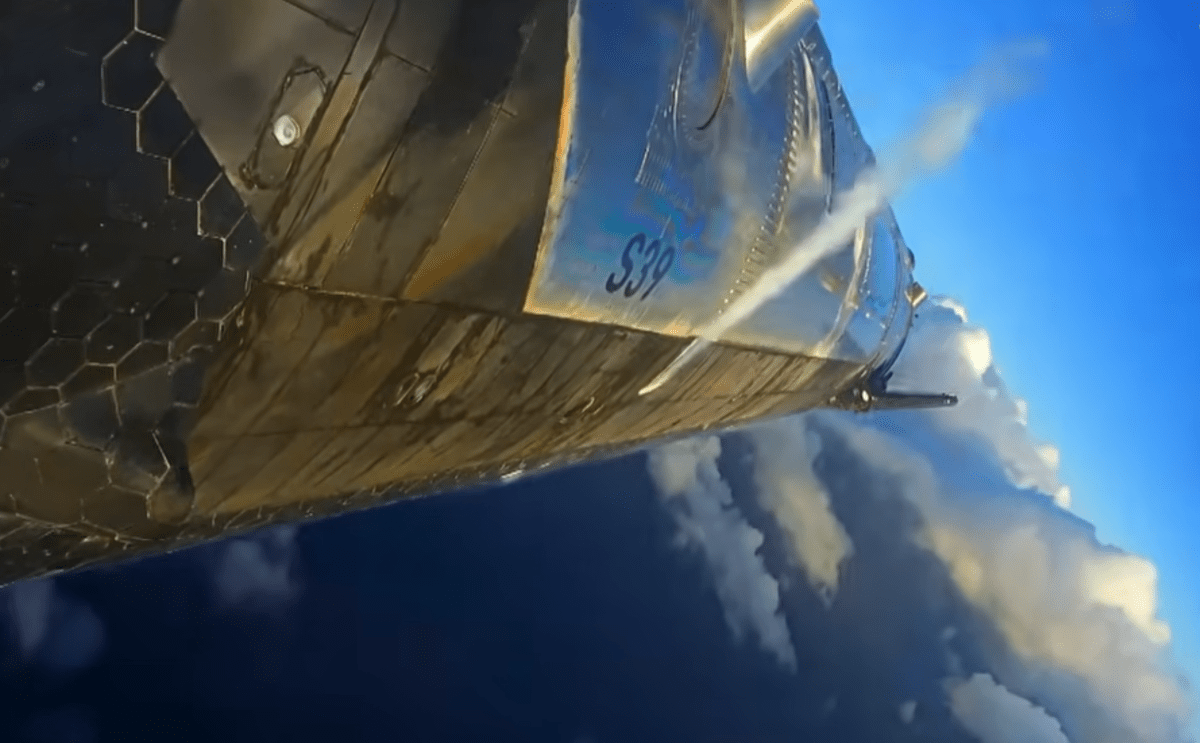
The recent test flight of Starship's third version encountered issues with Raptor engine relighting, crucial for controlled Earth returns. Although the rocket deployed dummy satellites and test vehicles, achieving full reusability remains a challenge.
Starlink's Slowing Growth
The S-1 filing also reveals that Starlink's growth is decelerating. While Starlink boasts over 10 million subscribers, growth rates have slowed, making it challenging to hit the projected 16.8 million subscribers by the year's end. Starlink's average revenue per user has dropped from $99 in 2023 to $66 in early 2026, as it expands into markets with lower pricing.
Starlink faces increasing competition from Amazon's Leo network, which is nearing the scale necessary to challenge SpaceX. Amazon awaits the FCC's decision on extending a deadline to launch 1,600 satellites by July.
Market Outlook
The data from SpaceX's filing suggests a grim growth outlook for the company and competitors like Blue Origin. Farrar argues that SpaceX's slowing demand may indicate a smaller-than-anticipated market for space broadband. This could have significant implications for the industry, as SpaceX is currently leading the pack.
Source: https://techcrunch.com/2026/05/26/starships-path-to-reusability-looks-murky-after-spacexs-s-1/