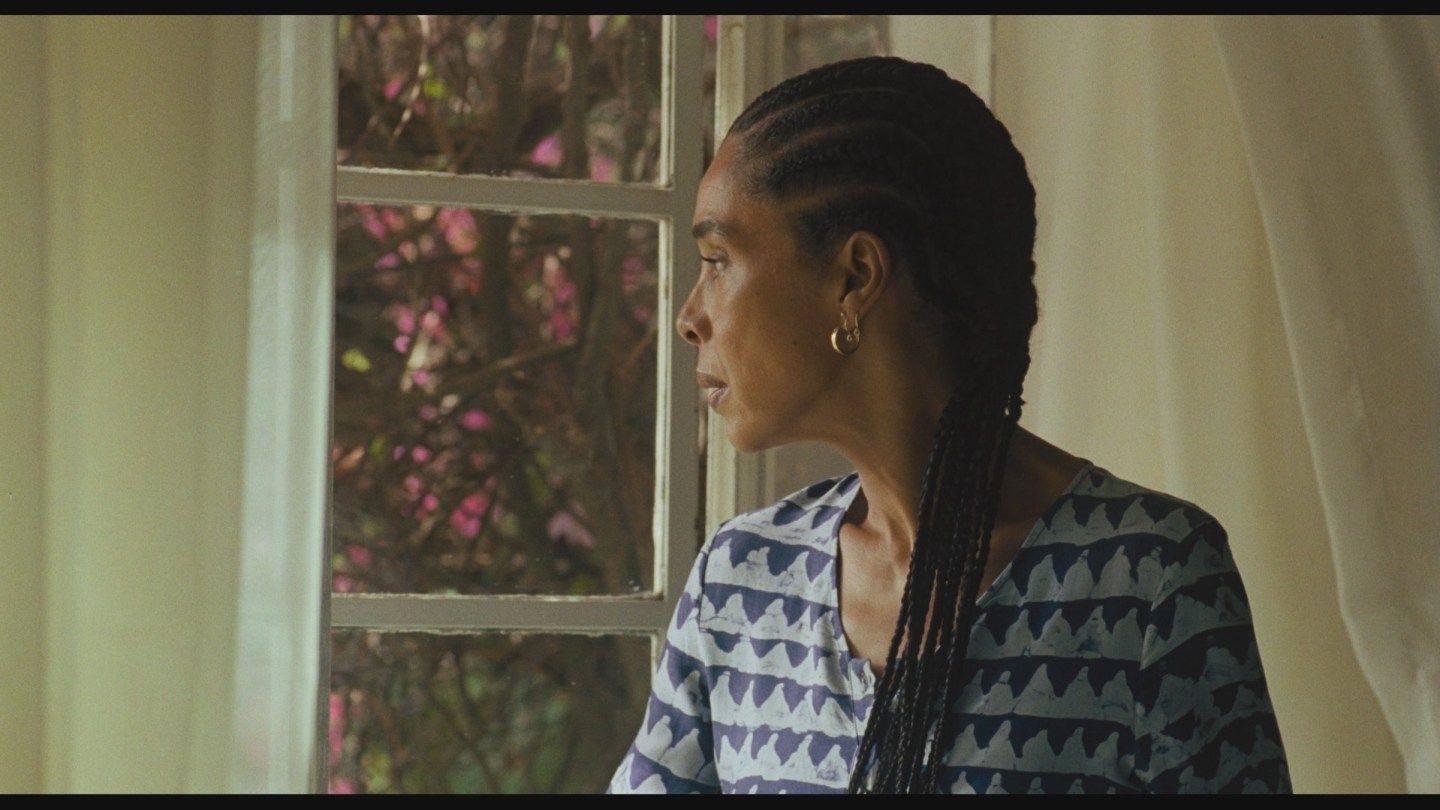
Clarissa, directed by Arie and Chuko Esiri, transposes Virginia Woolf’s 'Mrs. Dalloway' to present-day Lagos, starring Sophie Okonedo as Clarissa, a society woman navigating modern Nigerian life.
Modern Lagos Setting
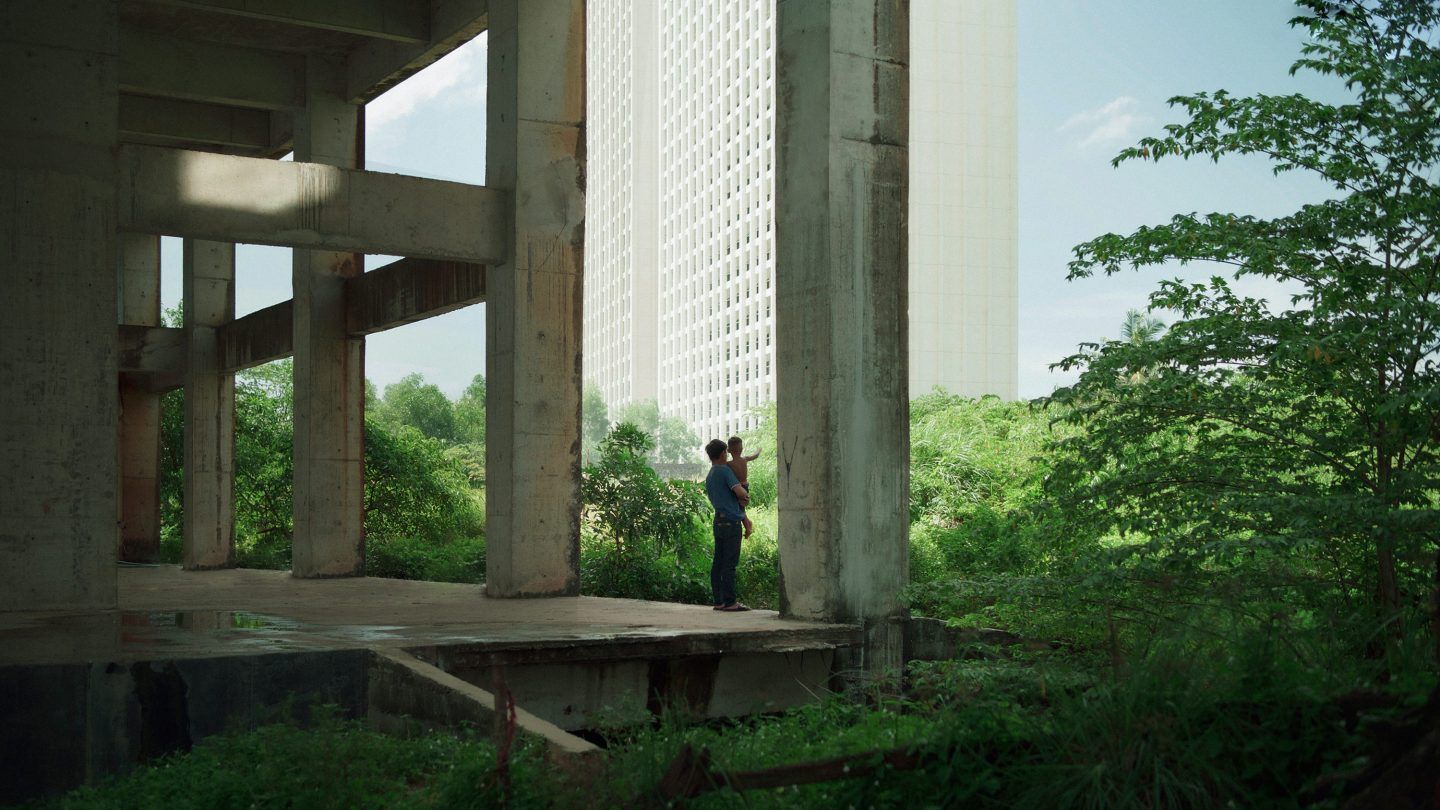
The film premiered at the Cannes Film Festival's Directors’ Fortnight and captures the bustling life of Lagos. Sophie Okonedo’s portrayal of Clarissa is marked by her reflections on Nigeria’s political and social dynamics, while she prepares for a party amid the city’s infamous traffic and urban scenery.
Cast and Crew
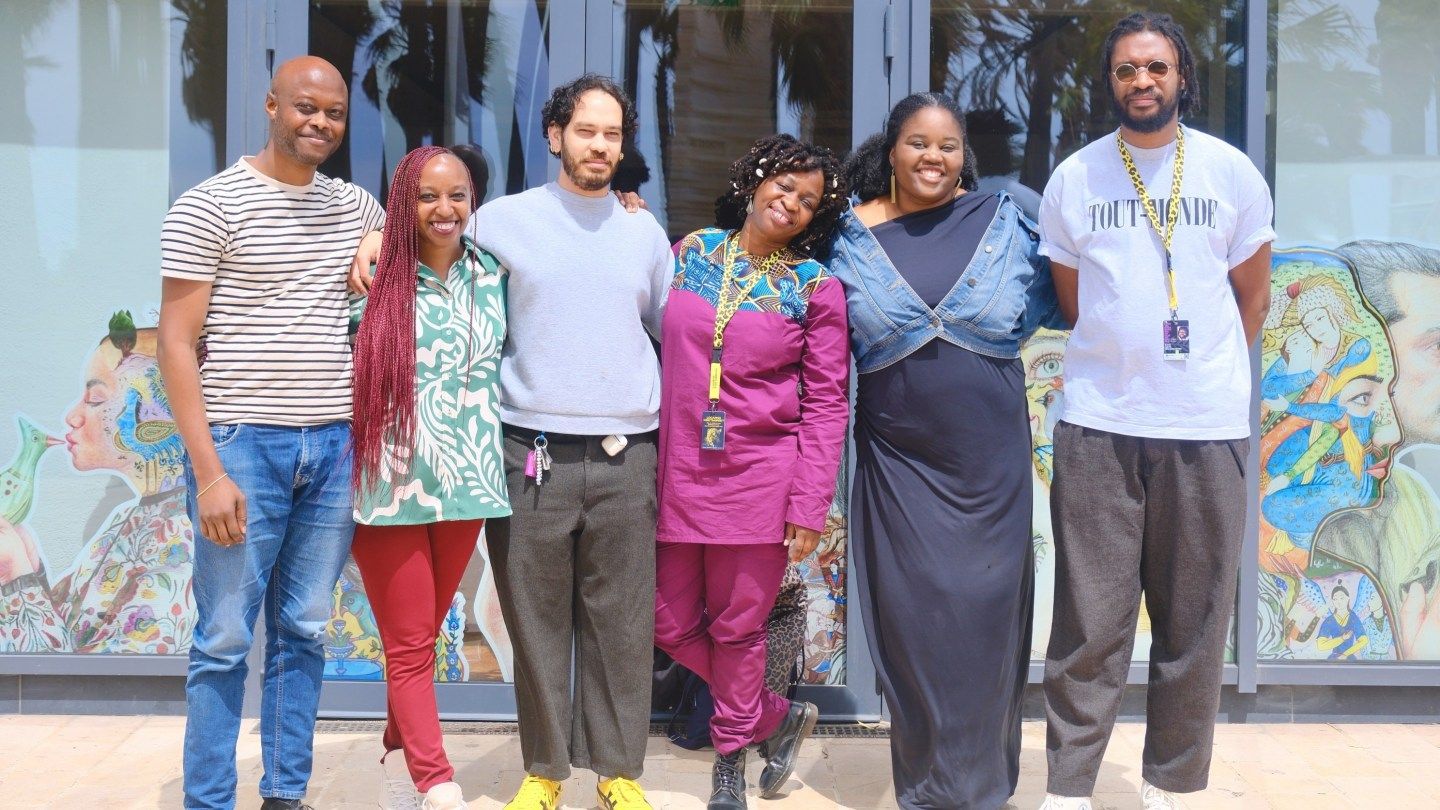
- Cast: Sophie Okonedo, Ayo Edebiri, David Oyelowo, India Amarteifio, Toheeb Jimoh, Fortune Nwafor.
- Directors: Arie Esiri, Chuko Esiri.
- Screenwriter: Chuko Esiri.
The film runs for 2 hours and 7 minutes, featuring Fortune Nwafor as Septimus, a soldier returning from combat with Boko Haram, dealing with post-war trauma while adjusting to civilian life.
Cinematic Craftsmanship
Shot on 35mm film by Jonathan Bloom, Clarissa uses a poetic style reminiscent of directors like Raven Jackson and Savannah Leaf. Blair McClendon's editing and Kelsey Lu’s score underscore the film’s dreamlike quality, linking past and present through vivid imagery.
Exploring Relationships
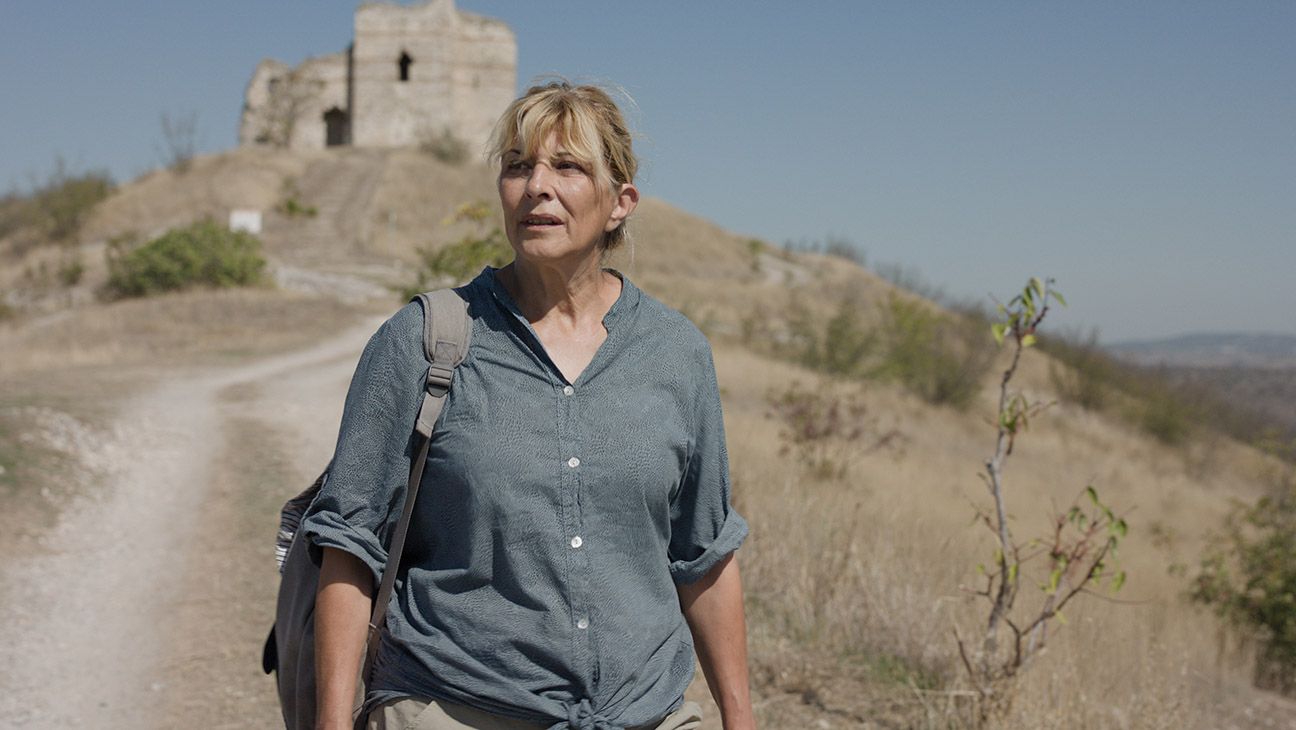
The film begins with a flashback to 1994, showing young Clarissa (India Amarteifio) and Peter (Toheeb Jimoh) in Abraka. Clarissa’s complex relationships with Peter and Sally (Ayo Edebiri, Nikki Amuka-Bird) are central to the narrative. The film explores these dynamics against the backdrop of Nigeria's evolving democracy.
Clarissa’s marriage to Richard (Jude Akuwudike) contrasts with her past romance with Peter and her intellectual connection to Sally. These relationships are explored through flashbacks that highlight the societal changes and personal growth over the years.
Societal Commentary
Clarissa offers a nuanced critique of Nigeria’s class disparity and the challenges faced by veterans like Septimus. The film subtly addresses the country’s political landscape, reflecting on postcolonial identity while nodding to Woolf’s themes of societal madness and change.
In revisiting Woolf’s work, the Esiri brothers provide a fresh perspective, challenging colonial narratives and offering a new lens on Nigeria’s cultural and historical context.
Source: https://www.hollywoodreporter.com/movies/movie-reviews/clarissa-review-sophie-okonedo-ayo-edebiri-david-oyelowo-1236597124/