
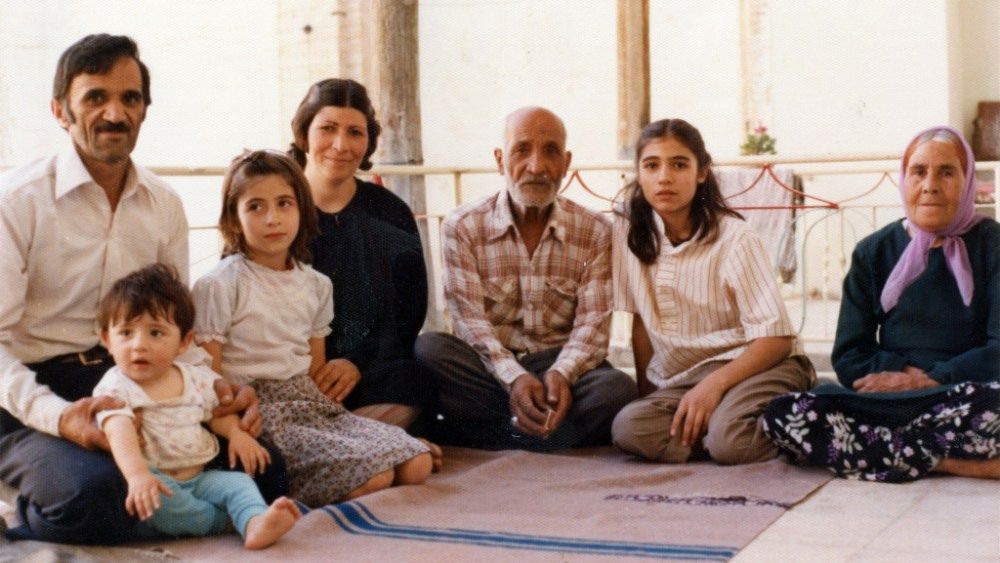
Pegah Ahangarani's directorial debut, 'Rehearsals for a Revolution', uses her personal narrative to explore over 40 years of post-Revolutionary Iran, highlighting political and cultural shifts. The film is notable for its extensive use of visual and audio archives, and Ahangarani's engaging narration.
Historical Context Through Family Lens
The film is structured in five chapters that double as a memoir of Ahangarani's life as the daughter of filmmakers Jamshid Ahangarani and Manijeh Hekmat. The first chapter, 'For my Father', details her father's journey from a supporter of the 1979 Revolution to a disillusioned veteran of the Iran-Iraq war, underscored by the execution of his friend, Davood Noori. Ahangarani illustrates this change with personal family photographs, where Khomeini's images eventually give way to Noori's.
A Personal and Political Awakening
The second chapter, 'To my dearest teacher', recounts a childhood incident that marked Ahangarani's early political awakening. A misunderstanding involving a beloved teacher led to her leaving school to pursue acting, where she gained fame for her role in 'The Girl With Sneakers'.
The third chapter focuses on her uncle Rashid, a student journalist during President Khatami's reformist period, whose hope for change ended with a crackdown on media and protests.
Activism and Consequences
Ahangarani's involvement with the Green Movement as a campaigner for Mir Hossein Mousavi is the subject of the fourth chapter. Her activism led to her arrest and eventual relocation to the UK.
A Hopeful Message for the Future
The final chapter, 'For Lily', dedicated to her daughter, reflects on recent massacres and the ongoing repression in Iran. The film closes on a note of resilience amid adversity.
Ahangarani and editor Arash Najafi Ashtiani effectively use personal footage, cell phone videos, news clips, and even animation to tell this compelling story, though the film lacks on-screen camera credits.
Source: https://variety.com/2026/film/reviews/rehearsals-for-a-revolution-review-1236751020/