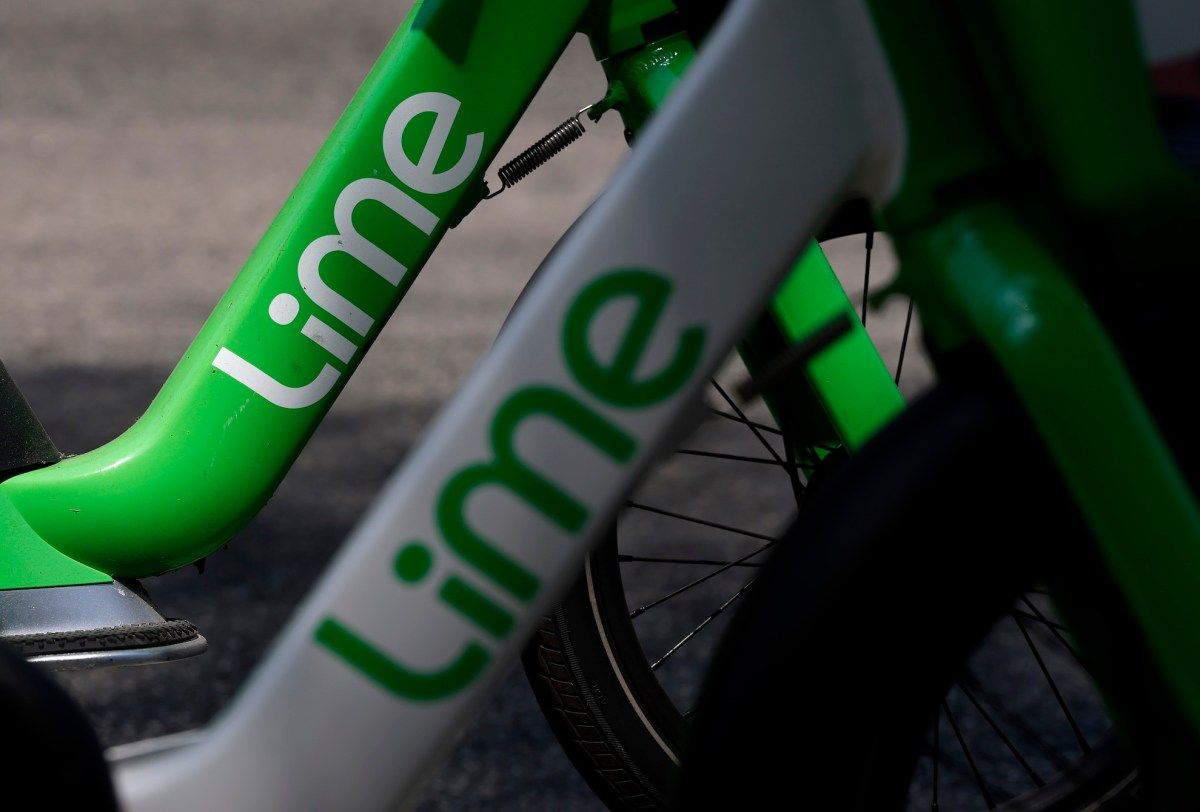
Lime, the Uber-backed electric bike and scooter rental startup, has officially filed for an initial public offering (IPO) after years of speculation and preparation. The filing comes with significant financial challenges as the company seeks to transition into a public entity.
Financial Details and Risks
Lime's revenue is increasing, and it has reported positive free cash flow, with net losses narrowing after 2023. However, a slight increase in losses was noted between 2024 and 2025. Uber remains a significant partner, contributing 14.3% of Lime's revenue through its app integration for scooter and e-bike rentals.
Despite these promising figures, Lime faces a daunting $1 billion in current liabilities, with $675.8 million due by the end of 2026. The company acknowledges in its S-1 filing that it lacks the liquidity to meet these obligations. Lime's future hinges on its ability to go public to raise capital or renegotiate debt terms.
Market Concentration and Infrastructure Concerns
Lime's revenue is heavily concentrated in a few markets. In 2025, the U.K. alone accounted for 22.2% of Lime's revenue. This concentration poses a risk if market conditions change. Additionally, Lime lists inadequate city infrastructure, such as potholes, as potential risks to its operations, as these issues can impact scooter and e-bike performance.
Uber's Strategic Investments
In a related development, Uber has increased its investment in Lucid Motors, a move that ties into its plans for a premium robotaxi service. Uber initially committed $300 million to Lucid and recently raised its investment to $500 million. The company plans to purchase 35,000 Lucid Gravity SUVs equipped with Nuro's autonomous technology over six years. Uber's total financial commitment to Nuro, including milestone-based investments, approaches $500 million.
Nuro has advanced its testing of Lucid vehicles in autonomous mode, receiving critical permits from the California DMV and Public Utilities Commission, marking a significant milestone in their collaboration with Uber.
Industry Moves and Financial Strategies
Other companies in the mobility space are also making strategic financial moves. Kodiak AI, focused on autonomous trucking, faced a 37% drop in stock price following a $100 million capital raise at a steep discount. Meanwhile, Moment Energy secured $40 million in Series B funding for its EV battery repurposing, and Rocsys raised $13 million to advance hands-free charging solutions.
In broader industry news, Aurora has begun driverless truck operations in Texas, and Tesla's Model Y is the first to meet new U.S. driver assistance safety benchmarks. Volkswagen has become Rivian's largest shareholder, overtaking Amazon.
As Lime prepares for its IPO, the company must navigate significant financial and operational challenges to secure its position in the competitive micromobility market.
Source: https://techcrunch.com/2026/05/10/techcrunch-mobility-limes-ipo-gamble/