
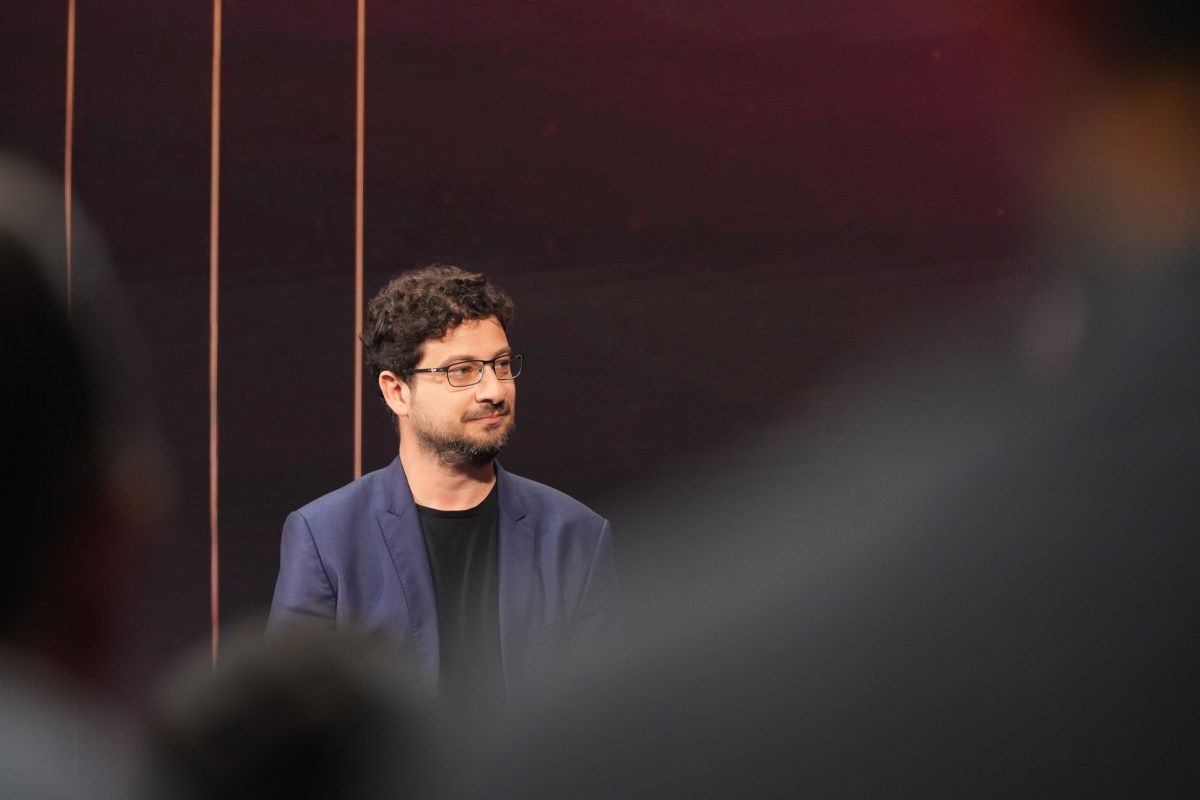
Jean-Baptiste Kempf, the lead developer behind the widely-used VLC Media Player, is venturing into the robotics field with his new project, Kyber. This startup is building an infrastructure layer designed for controlling remote devices in real time, a move Kempf believes will soon see robots and drones becoming as common as VLC itself, which has been downloaded over 6 billion times.
Kyber's Ambitious Vision
Kempf, a French serial entrepreneur, is confident that “hundreds of millions of robots and drones” will be operating in a few years. Kyber's core software is a Software Development Kit (SDK) that synchronizes video, audio, sensor data, and control inputs with minimal latency. This development aligns with the rise of physical AI, which has helped Kyber secure a $5 million funding round led by Lightspeed, a VC firm also known for backing Anthropic and Mistral AI.
Beyond Physical AI
While physical AI is a significant focus, Kyber's applications extend further. Kempf explained that the platform supports “all the use cases where the person who’s operating is not in the same place as the compute, which is not in the same place as the action.” The startup's name, Kyber, is inspired by the lightsaber crystals in Star Wars, emphasizing the importance of speed in controlling real-world actions. “Every millisecond matters,” Kempf noted.
Open Source Roots and Global Reach
Kyber's approach is heavily influenced by Kempf's experience with video-streaming technology, starting as a side project during his tenure as CTO at Shadow, a cloud gaming startup. The company uses open-source principles, offering a core project for free while selling a productized version to enterprise clients. Kyber also provides custom deployment through forward-deployed engineers (FDEs), reflecting a model akin to companies like Palantir. The startup employs 25 full-time staff, with offices in Paris, San Francisco, and Singapore, serving a diverse client base in defense, telecommunications, robotics, and AI industries.
Targeting Key Segments
Kyber is concentrating on three main sectors: robotics, drones, and remote IT access, with particularly strong demand in the latter. Kempf aims to position Kyber as more than a Citrix challenger, targeting a vast total addressable market. Despite the unglamorous nature of remote IT access, Kempf is energized by the challenge, stating on Kyber’s careers page, “The companies that tried to solve it spent years and tens of millions building custom solutions they’ll never share. We’re building the version everyone else can use.”
Source: https://techcrunch.com/2026/06/19/he-made-your-free-video-player-run-smoothly-now-hes-doing-that-for-robots/