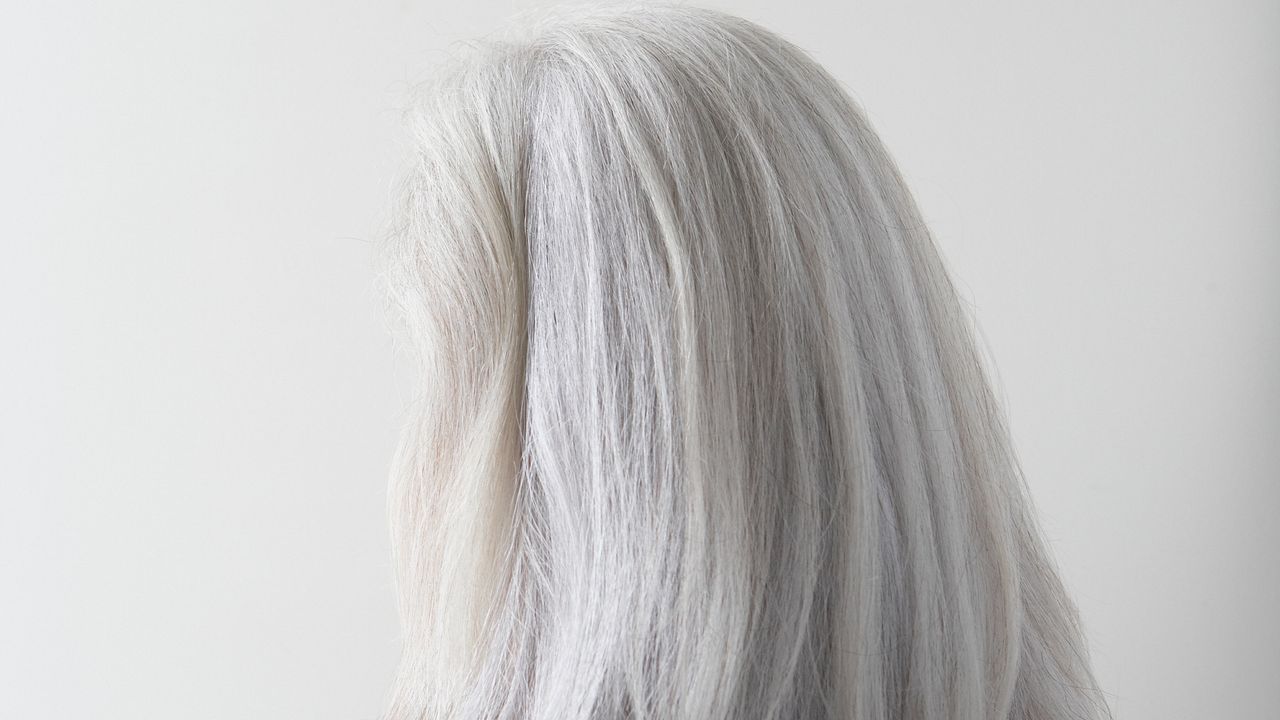
Gray hair is frequently associated with aging, but multiple factors contribute to hair losing its color, according to Dr. Robert H. Shmerling from Harvard Health Publishing.
Genetic Influences
Genetics play a significant role in when and how hair turns gray. Dr. Judith Joseph, a psychiatrist and ambassador for Vichy Laboratories, notes, “Hair aging depends on both genetic and environmental factors, with a key turning point around the fifth or sixth decade of life.”
Joseph and Shmerling agree that the genetic makeup inherited from our parents largely determines the onset and extent of graying, despite stress being a notable factor. “Looking at past generations rather than current stress levels can better predict when or if we will turn gray,” Joseph explains.
The Role of Stress
While stress can accelerate hair aging, it isn’t a direct cause of gray hair. Shmerling clarifies, “In humans, most gray hair is not related to stress.” He describes how hair follicles produce less color as they age, leading to new hair growing in gray after its natural cycle of death and regeneration begins at around 35.
Stress can cause telogen effluvium, a condition where hair falls out faster, possibly resulting in gray regrowth. Joseph adds that stress-induced cortisol increases can further exacerbate hair loss by altering hormones such as estrogen and testosterone.
Perceptions of Aging
Attitudes toward aging can influence the process itself. Research indicates that those who view aging negatively experience more adverse physical and emotional symptoms. Joseph advises embracing the aging process, suggesting that people feel more competent and confident as they age, potentially improving their experience.
Health Conditions
Some medical conditions can contribute to premature graying. Dr. Brian Abittan of Mount Sinai’s Kimberly and Eric J. Waldman Department of Dermatology cites vitiligo, alopecia areata, and thyroid disease as associated factors. Chronic inflammatory conditions may also play a role.
Nutritional Deficiencies
Diet can affect hair color, particularly deficiencies in vitamins like B12 and D, protein, or copper. Samantha Dieras, RN, DCN, emphasizes that these deficiencies can cause oxidative stress in hair follicles, leading to premature gray hair.
While studies suggest a correlation between diet and gray hair, more research is needed to establish definitive links.
In conclusion, gray hair results from a combination of genetics, stress, health conditions, and nutritional factors. Embracing the natural aging process and consulting a dermatologist for concerns can be beneficial steps.
Source: https://www.vogue.com/article/gray-hair-aging-2026