Over 40% of U.S. adults with high LDL cholesterol remain unaware of their condition, increasing their risk for heart disease, according to a 2023 study in JAMA Cardiology. Fortunately, cholesterol levels can be controlled, as explained by cardiologists.
What is LDL cholesterol?
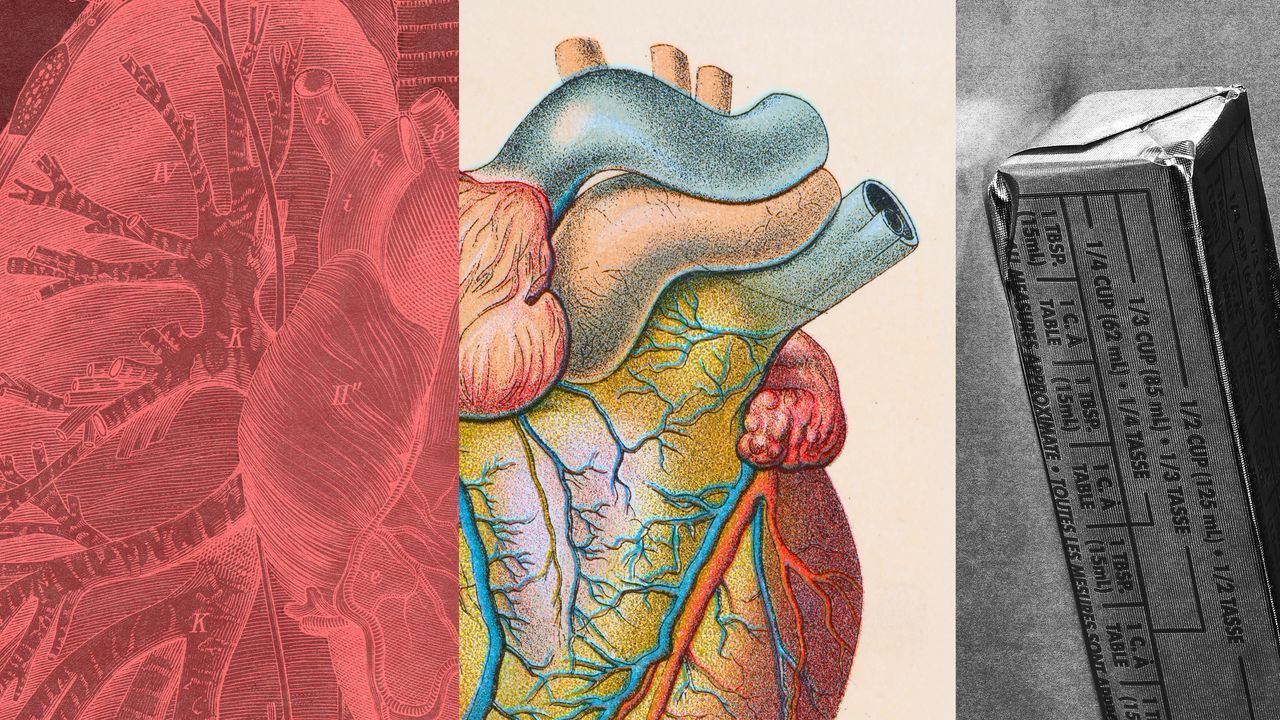
Cholesterol is a waxy, fat-like substance essential for building cells and producing vitamins and hormones, explains Dr. Ethan Korngold, an interventional cardiologist at Abbott. However, excessive cholesterol can narrow arteries, heightening heart disease risk. LDL, or low-density lipoproteins, transport cholesterol to cells, potentially leading to artery plaque buildup. Thus, LDL is often dubbed 'bad' cholesterol.
Detecting High LDL Cholesterol
Cholesterol plaque can build silently over decades, says Dr. Jason Hoff from Loma Linda University Health, often without symptoms until a heart attack or stroke occurs. Dr. David Sabgir of Walk with a Doc advises proactive heart health monitoring, noting that genetics account for 40-60% of high cholesterol cases. Regular blood tests, starting at age 20, are crucial for knowing your LDL levels, with optimal levels being at or below 100 mg/dL, per the American Heart Association.
Strategies to Lower LDL Cholesterol
While genetics and aging impact cholesterol, lifestyle changes are effective. Cardiologists recommend minimizing saturated fats from red meat, dairy, and sweets, supported by a 2020 Cochrane Review meta-analysis showing a 17% LDL reduction by cutting saturated fats. Dr. Sabgir suggests a plant-based diet and limiting alcohol.
- Avoid Tobacco: Smoking raises LDL and lowers HDL cholesterol, with vaping offering no advantage, as per a 2021 Vascular Medicine study.
- Exercise Regularly: Dr. Sabgir highlights that physical activity lowers LDL and raises HDL, aligning with the American Heart Association's 150-minute weekly cardio recommendation.
- Manage Stress: High stress and inadequate sleep raise cortisol, linking to higher LDL levels, explains Dr. Hoff. Addressing stress and sleep can prevent these increases.
- Consider Medication: For stubbornly high LDL levels, even with healthy habits, medications like statins may be necessary. Statins can reduce LDL by up to 60% by blocking cholesterol production, says Dr. Sabgir.
Monitoring and managing cholesterol involves understanding your numbers and taking actionable steps, potentially saving your life.
Source: https://www.gq.com/story/what-is-ldl-cholesterol-and-how-do-you-lower-it-3