SAG-AFTRA leaders are working to secure member approval for their new studio contract amid ongoing concerns about artificial intelligence and pension fund consolidation.
AI Guidelines Under Scrutiny
The contract, unveiled on May 11, allows studios to use synthetic performers if they provide “significant additional value” to a project. It also mandates studios to notify and negotiate with the union if performances are licensed for AI training. However, some members find the language lacking in protection.
“Who determines that? A studio lawyer — that’s who determines ‘significant additional value,’” said Erik Passoja, former co-chair of SAG-AFTRA’s L.A. New Technology Committee. He added concerns over the lack of consent and compensation for performers when studios license their performances to third parties.
The fear of AI replacing human actors was a major factor in the 2023 strike. While the union secured some protections then, companies like London-based Particle6 continue to promote AI-generated stars like “Tilly Norwood.”
Negotiation Aims and Outcomes
SAG-AFTRA started the February negotiations aiming to increase costs for using synthetic performers to favor human actors. Although not all goals were met, studios agreed to prioritize human performances and introduced arbitration with potential penalties for contract violations.
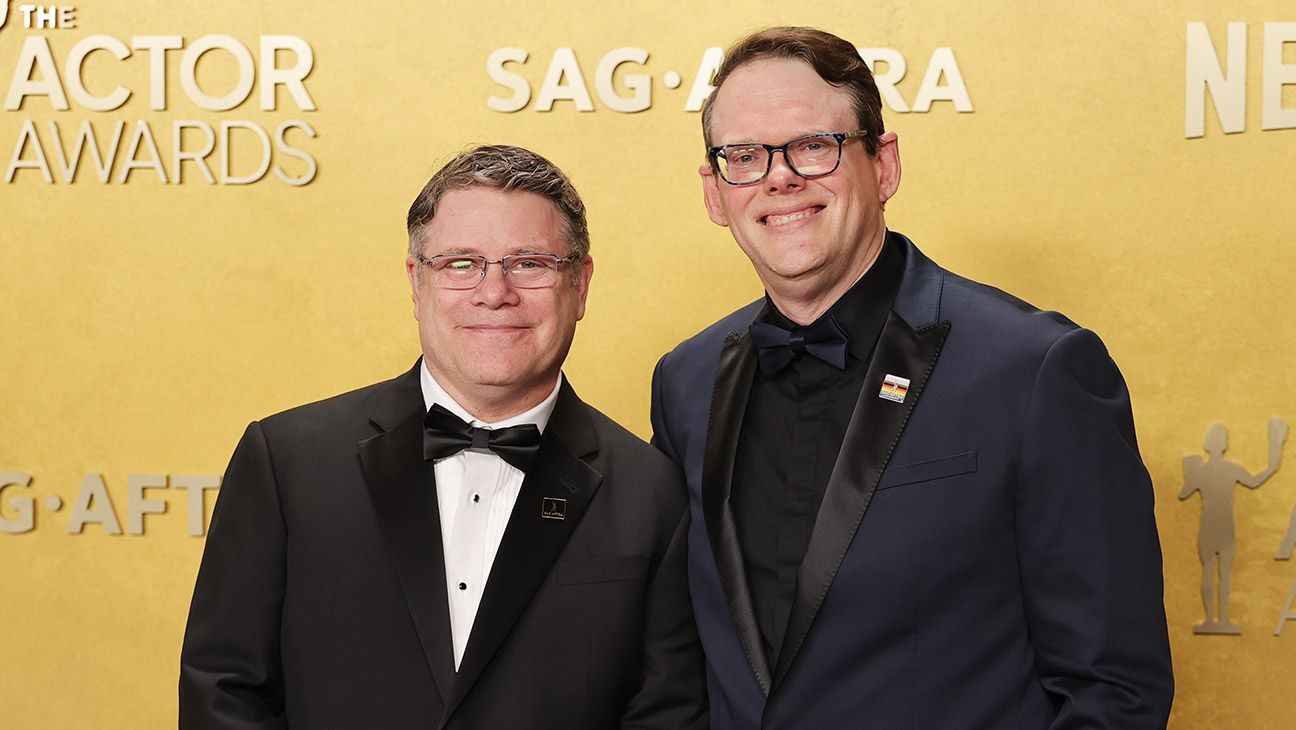
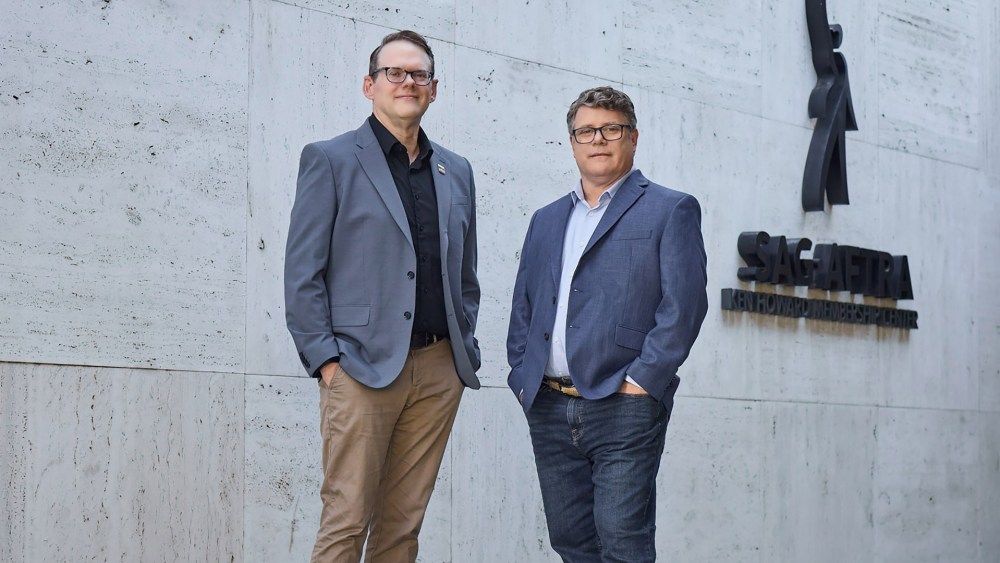
Union executive director Duncan Crabtree-Ireland expressed confidence that synthetics would remain rare, while union president Sean Astin emphasized the high threshold for their use. The board voted 89% to send the contract to members for ratification, with Zoom meetings scheduled to explain the terms.
Pension Fund Merger Plans
The contract also proposes merging SAG and AFTRA pension funds by January 1, 2028, with studios contributing an additional 1% to the combined plan, totaling $38 million over the contract's last two years. The merger has been contentious, with concerns it could weaken the SAG plan.
Joanna Cassidy, a national board member, opposed the merger, citing fears of financial risk to the SAG plan. Crabtree-Ireland argued that analysis supports the merger's benefits, including resolving “split earnings” issues affecting around 1,000 members.
Astin noted studio support for stabilizing the pension structure, acknowledging that current operations were suboptimal.
Additional Contract Provisions
The agreement also covers other areas, such as residual improvements and 3% annual increases in minimum rates. A notable change involves encouraging virtual casting interviews, allowing for more interactive auditions, which Astin described as a “substantial change to the culture” of casting.
Members have until June 4 to vote on the contract's ratification.
Source: https://variety.com/2026/film/news/sag-aftra-artificial-intelligence-pensions-concerns-1236746577/