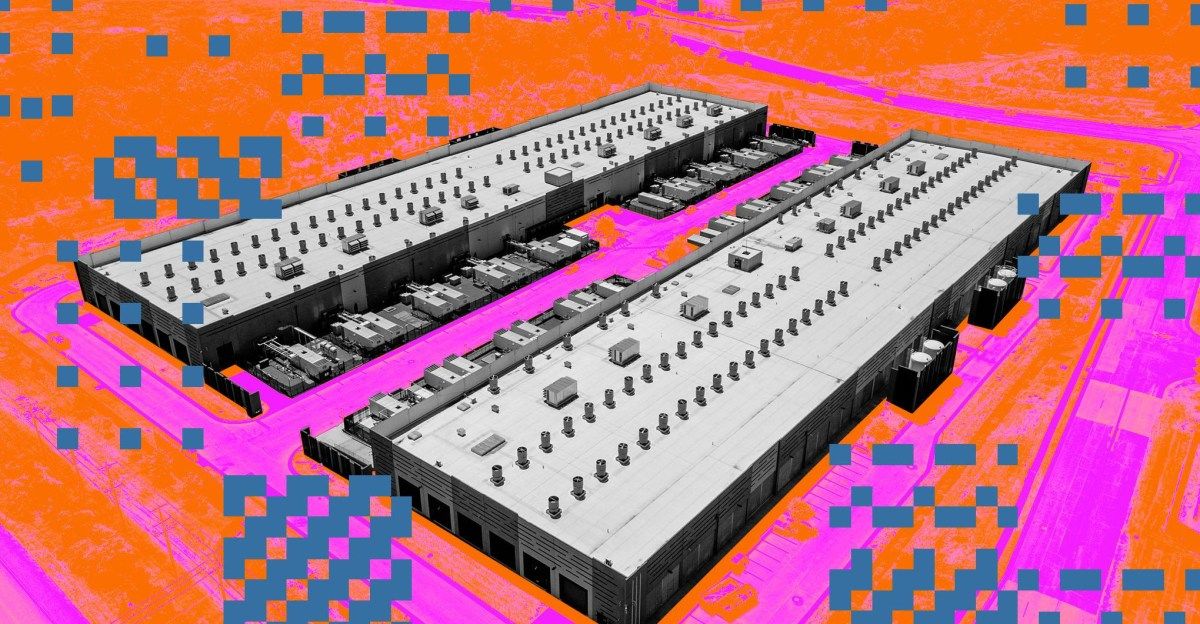

The Androscoggin paper mill in Jay, Maine, once employing 1,500 people, closed after a 2020 explosion. Now, a $550 million data center is set to replace it, promising 125 to 150 jobs.
Transformation in Jay
In 2023, JGT2 Redevelopment, led by Tony McDonald, acquired the mill site. They dismantled machinery and prepped the site for a high-tech future. McDonald initially aimed to sell to Godfrey Forest Products, but pivoted to data centers after tariffs affected financial backing. He is now partnering with Sentinel Data Centers.
Data Center Appeal
Maine's cool climate and renewable energy mix attract data centers. However, a proposed 18-month moratorium on facilities consuming over 20 megawatts was vetoed by Gov. Janet Mills, citing job creation in Jay.
Data center developers are promising jobs across the U.S., from Maine to Texas. Yet, research indicates limited long-term economic benefits. Michael Hicks from Ball State University found no net job gains in Texas data center projects.
Local Impact and Legislation
Melanie Sachs, sponsor of the Maine moratorium bill, criticized the lack of frameworks to evaluate such projects. McDonald's plan was supported by the Jay Select Board, but concerns remain over tax incentives and true job creation.
Economic Realities
Data centers provide temporary construction jobs but few permanent roles. Even if Jay’s center supports 30 to 50 permanent employees, the economic impact could be modest.
Anthony Elmo from Good Jobs First highlights the challenge for rural areas in negotiating with large developers. Tax revenue, rather than jobs, may be the primary benefit for towns like Jay.
Future Considerations
Data centers promise tax revenue but not substantial employment. As rural communities navigate these developments, they must weigh immediate economic gains against long-term sustainability.
Source: https://www.theverge.com/ai-artificial-intelligence/928963/data-center-rural-america-jobs-jay-maine