Blerta Basholli's 'Dua' explores the coming-of-age of a young Kosovan girl amidst the Kosovo War in the late 1990s, reflecting the personal and political turmoil experienced by Kosovar Albanian teens.
Setting the Scene with Sound and Silence
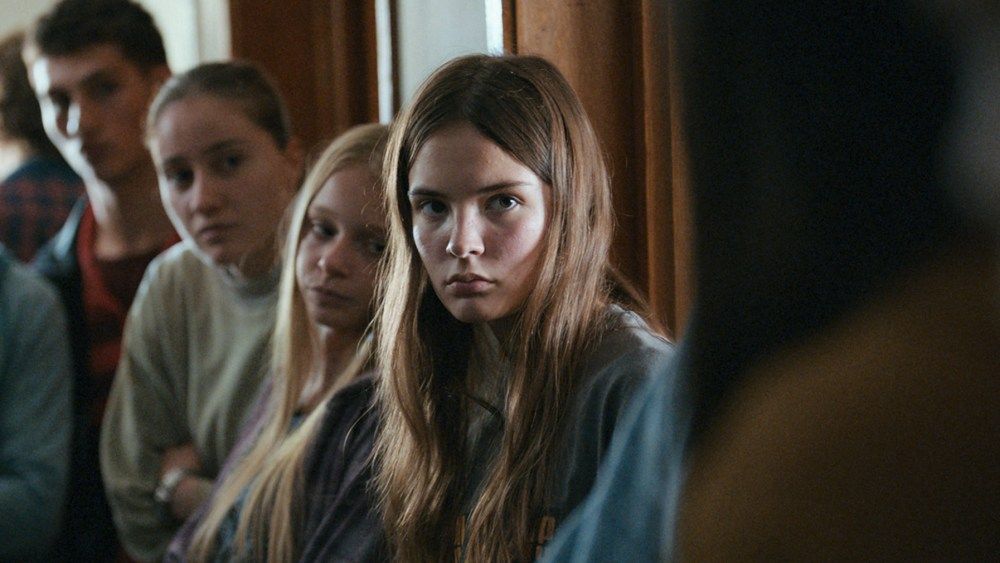
Opening with Seal's 'Kiss From A Rose' as a nostalgic nod, the film immerses viewers in late ‘90s Prishtina, Kosovo. The camera follows 13-year-old Dua, played by Pinea Matoshi, through everyday high school life, blending scenes of gossip and police-raided parties. This approach draws audiences into the world of Kosovan teens, painting an intimate picture of their lives.
Aesthetics and Emotional Depth
Basholli's choice of perspective, largely focused from Dua's viewpoint, creates an absorbing yet sometimes alienating experience. The sound design, marked by distorted echoes and construction noises, enhances the film's emotional depth, suggesting the turmoil outside Dua's immediate view. This method highlights the unseen changes in the world around her, offering both insight and restriction.
Confronting Violence and Maturity
The narrative intertwines Dua's personal growth with the ominous presence of violence. As she faces harassment from Serbian boys, the story underscores the intersection of puberty and societal threats. Dua seeks strength and guidance from her refugee classmate Maki, played by Vlera Billali, learning judo to prepare for potential confrontations. Yet, her emotional preparedness remains in question, complicating her family's safety.
A Collage of Memories
'Dua' unfolds as a series of memories, a style that both enriches and fragments the narrative. The naturalistic tone, while occasionally clashing with the film's structure, is grounded by Matoshi's nuanced performance. Her portrayal of Dua balances eagerness and confusion, adding layers to the character's stoic exterior. This emotional authenticity is echoed in the casting of her real-life sister, Kaona Matoshi, as Dua's on-screen sister, Tina, enhancing the film's realism.
Family Dynamics and Isolation
Long takes by cinematographer Lucie Baudinaud capture Dua's family dynamics, portraying her as both integral to and isolated from her family unit. As a younger sibling, Dua is often excluded from crucial discussions, intensifying her sense of being an outsider. These moments highlight the personal struggles within her family and the broader societal conflicts.
The film's stylistic choices, while sometimes uneven, endear Dua to the audience, providing a glimpse into a child's perspective amid a changing world. The narrative, although lacking a comprehensive view of its era, resonates as a poignant reflection of a young girl’s experiences in a war-torn region, capturing the essence of memories both poignant and painful.
Source: https://variety.com/2026/film/news/dua-review-1236746996/