
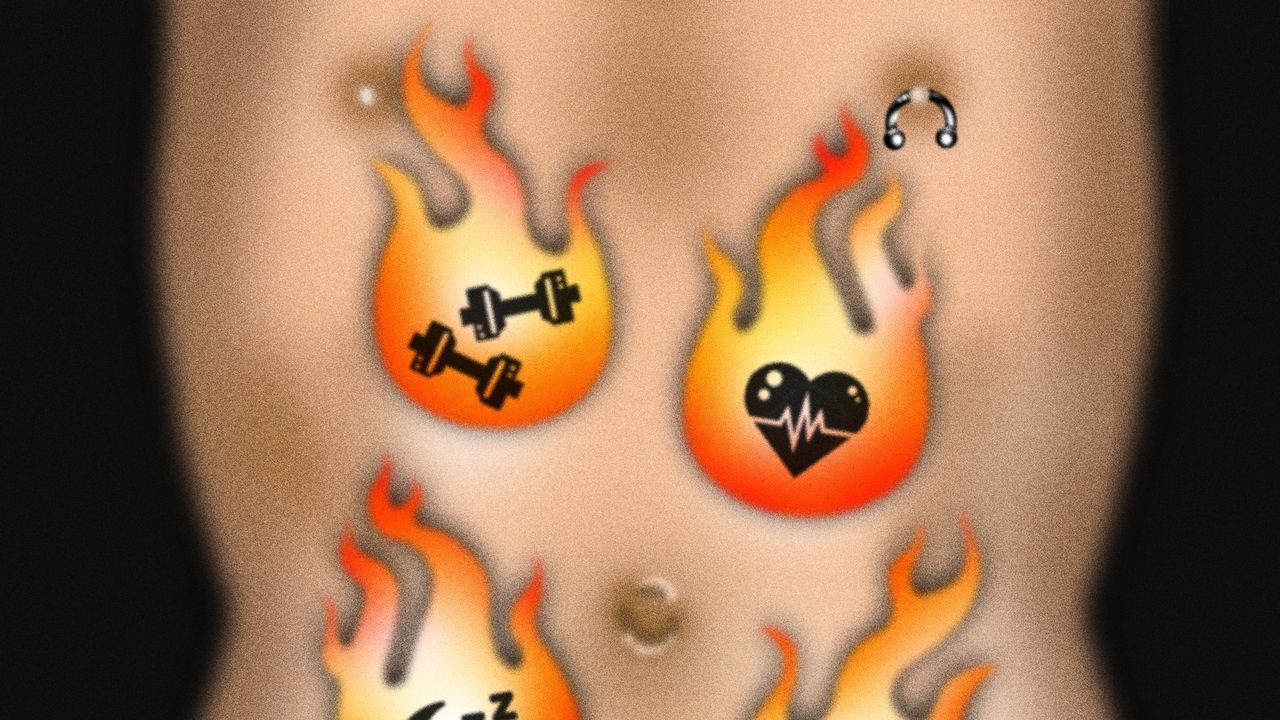
Belly fat, also known as visceral fat, is more than a cosmetic concern; it's a significant health risk. Unlike subcutaneous fat, visceral fat is stored deep within the abdomen, wrapping around organs like the liver and heart. This type of fat is linked to various health issues, including cardiovascular diseases and diabetes. Chris Mohr, PhD, RD, cofounder of Mohr Results, underscores, "You can't spot reduce, but you can lose it with the right approach."
Why Belly Fat is More Dangerous
Visceral fat is highly inflammatory, posing greater health risks than subcutaneous fat, which is generally benign. Dr. Rekha Kumar, chief medical officer at Found, notes, "It puts people at a higher risk for diseases we haven't fully identified yet." Studies, such as one by Kaiser Permanente, link high visceral fat to dementia and various cancers.
Measuring Belly Fat Accurately
Professional scans like CT or DEXA offer precise measurements, but a simple waist-to-hip ratio can be an effective indicator. Dr. Kumar advises that for men, a ratio over one indicates high risk. Elevated blood sugar and snoring can also signal excessive visceral fat.
Effective Strategies to Burn Belly Fat
Building lean muscle through resistance training is essential. A Harvard study confirms that weight training reduces waist size more effectively than aerobic activities. Luke Carlson, CEO of Discover Strength, emphasizes, "Strength training boosts calorie burn and reduces abdominal fat." High-intensity interval training (HIIT) is also effective, while increasing protein intake helps maintain muscle during calorie reduction.
Hydration and fiber are crucial for feeling full and reducing calorie intake, says Nate Feliciano of Studio 16. Dr. Mohr adds, "Fiber helps you feel full, aiding in calorie control."
The Role of Sleep in Managing Belly Fat
Sleep deprivation is a hidden enemy in weight management. A study in Sleep Medicine found a significant link between lack of sleep and increased visceral fat. Dr. Mohr highlights, "Sleep is a big piece of the puzzle for weight management." Prioritize a full night's rest to support your fat-loss efforts.
Addressing belly fat requires a comprehensive approach. By focusing on strength training, diet adjustments, proper hydration, and adequate sleep, individuals can effectively manage and reduce visceral fat, improving overall health.
Source: https://www.gq.com/story/how-to-actually-burn-off-belly-fat-and-why-it-matters-6