
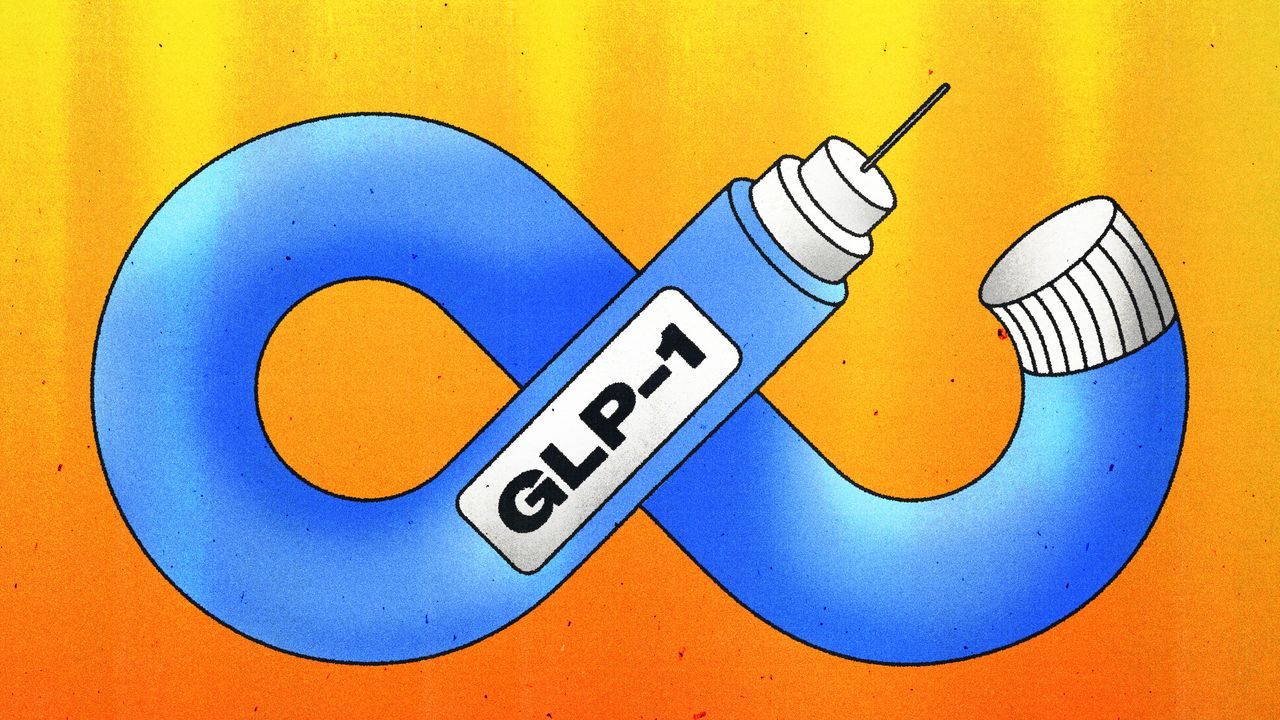
GLP-1 medications, initially developed for diabetes and obesity, are gaining attention for their potential as 'longevity drugs'.
Origins and Purpose
GLP-1 is a hormone regulating blood sugar, digestion, and appetite. Marketed drugs like Byetta and Saxenda target these functions, initially for type 2 diabetes and later for weight management. Newer GLP-1 drugs, Wegovy and Zepbound, have shown significant weight loss results.
Beyond Diabetes and Obesity
Researchers have noted that GLP-1s could impact various health markers. According to Sonia Gibson, MD, these drugs enhance insulin sensitivity, potentially reducing the risk of metabolic syndrome and associated conditions like type 2 diabetes, stroke, and heart disease.
Brynna Connor, MD, highlights their cardiovascular benefits. Studies indicate a 20% reduction in heart-related events for people on semaglutide, primarily those with cardiovascular issues.
Potential for Broader Health Benefits
Research suggests GLP-1s may support kidney and liver health. They can slow kidney disease progression and reduce liver fat accumulation, particularly in those with metabolic dysfunction-associated steatotic liver disease (MASLD).
Rachel Pessah-Pollack, MD, mentions a decrease in alcohol interest among GLP-1 users, indicating potential in managing substance misuse.
Longevity Drug or Not?
Experts like Dr. Pessah-Pollack see mortality benefits for those with obesity, but caution against labeling GLP-1s as universal anti-aging solutions. Dr. Connor warns of misuse risks and emphasizes the need for medical supervision.
Conclusion
While GLP-1s show promise, their role as longevity drugs remains unproven for the general population. Until further research clarifies these benefits, they should be used as prescribed by healthcare professionals for specific conditions. For those seeking longevity, established healthy habits remain the best approach.
Source: https://www.gq.com/story/are-glp1s-longevity-drugs