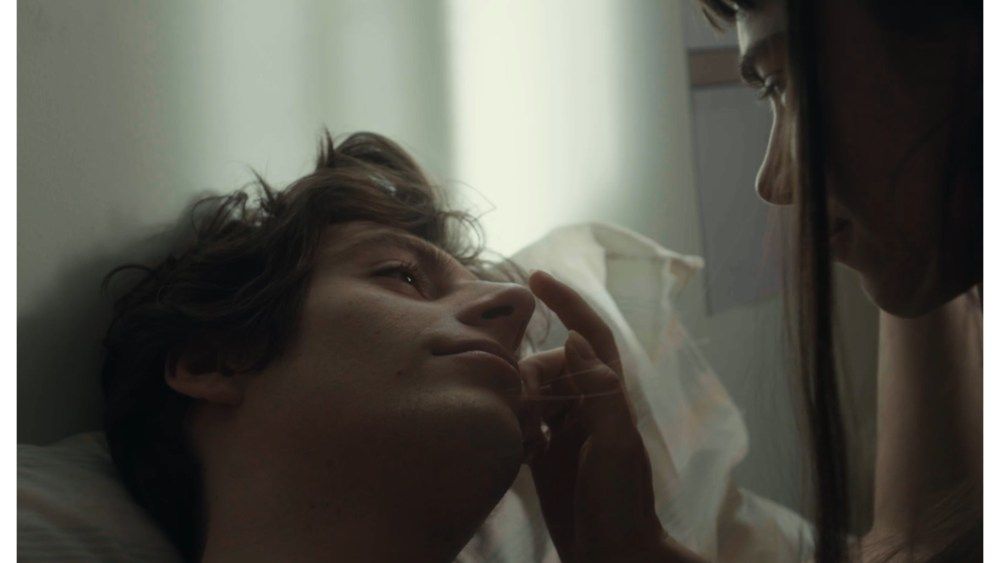

Judith Godrèche's 'A Girl's Life', starring her daughter Tess Barthélemy, mirrors both her past and Annie Ernaux's novel, addressing gender dynamics and normalized violence against women.
Parallel Narratives
The film echoes Godrèche's own experiences, including her accusations of sexual abuse against directors Jacques Doillon and Benoit Jacquot. Barthélemy's role draws comparisons to Godrèche's breakout in Doillon's 1990 film 'The Disenchanted'. 'A Girl's Life' serves as both a personal reflection and a broader commentary on the #MeToo movement, with Godrèche as a prominent advocate.
Film Adaptation and Storyline
Adapted from Ernaux's 'A Girl's Story', the film is framed by voiceovers from a septuagenarian version of Ernaux, played by Valérie Dréville. It follows 17-year-old Annie (Barthélemy) in 1958, who dreams of breaking free from her restrictive Catholic upbringing during a summer as a camp counselor. She encounters hostility from fellow counselors and is drawn to 'H' (Victor Bonnel), leading to a harsh awakening about romance and consent.
Ernaux's Influence and Cinematic Portrayal
This film joins a series of Ernaux adaptations, including the 2021 Venice Golden Lion winner 'Happening' by Audrey Diwan. 'A Girl's Life' expands on Ernaux's timeline, offering Barthélemy a platform to explore a range of emotions, akin to Taylor Dearden in 'The Pitt' and a young Winona Ryder.
Visual and Thematic Elements
Cinematographer Joachim Philippe captures Annie's perspective, turning seemingly romantic scenes into darker portrayals of manipulation. The film highlights Annie's descent, influenced by societal expectations of romance and belonging. Godrèche presents a nuanced view of these themes but leaves certain elements, like potential mentor figures, underdeveloped.
Despite a clichéd ending that ties Annie's experiences to broader feminist progress, the film ultimately offers a narrative of survival and learning.
Source: https://variety.com/2026/film/reviews/a-girls-story-review-1236751784/