Mexican director Bruno Santamaría Razo's first narrative feature, 'Six Months in a Pink and Blue Building,' draws from his personal memories, focusing on the period when he was 11 and his father was diagnosed with HIV. The film, which combines elements of family portrait, queer identity exploration, and 1990s Mexico, serves as both an homage to his parents and a fictionalized account of a pivotal moment in his life.
Family Dynamics
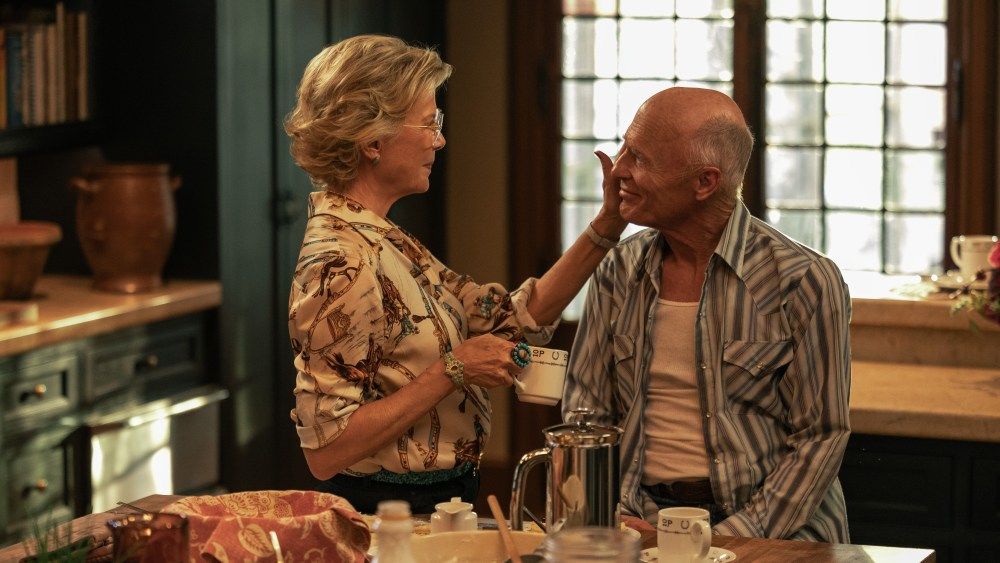
In the film, the son Bruno (played by Jade Reyes) mirrors his father's journey. During his 11th birthday party, where guests are in gender-reversed costumes, Bruno experiences new feelings for his best friend Vladimir (Eduardo Gómez). Meanwhile, his father, Mundo (Lázaro G. Rodríguez), receives concerning news regarding his health. Bruno's mother, Diana (Sofía Espinosa), acts as the family's anchor, preparing for an uncertain future while Mundo immerses himself in his work as an illustrator.
A Blend of Fantasy and Reality
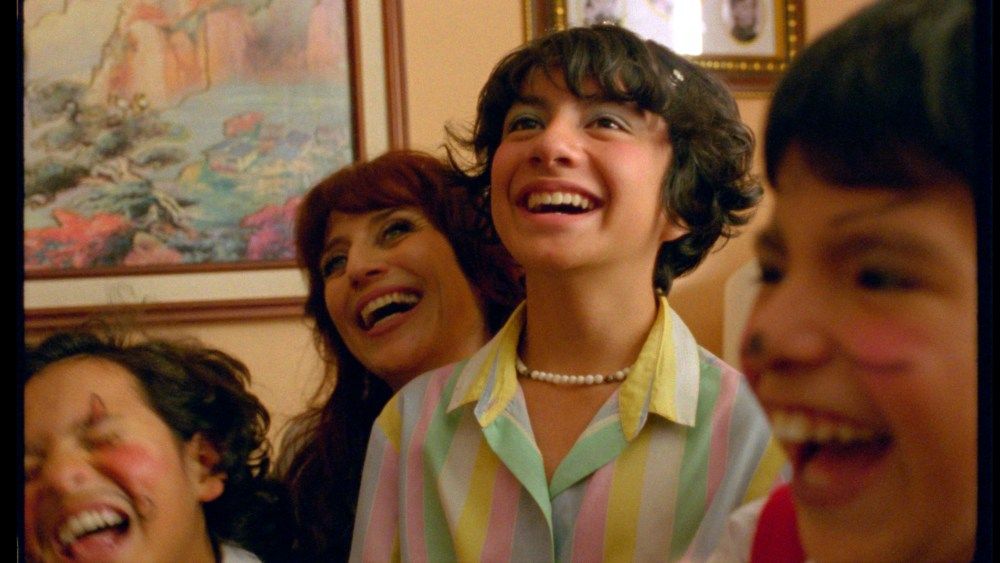
Razo's depiction of Bruno's world leans towards fantasy, with vibrant, whimsical scenes like encountering a drag queen during a church rehearsal or Vladimir demonstrating how to French kiss. These moments, portrayed as enlightening experiences, contrast with the more somber interactions between Bruno and his father, where Bruno's request for Mundo’s watercolors suggests a desire to inherit them.
Visual Storytelling
The film's color palette underscores the emotional journey: Bruno's world is vivid, reflecting his burgeoning sexuality and emotions, while Mundo and Diana's is stark, illustrating life's challenges. Razo's visual storytelling includes memorable images, such as Bruno with multicolored shopping bags or his joyful expression framed by matching colors in his shirt and wall painting.
Documentary Roots
Despite its narrative structure, 'Six Months in a Pink and Blue Building' retains Razo's documentary roots. The film opens with an interview with his mother, later featuring Razo himself recounting this time in his life. The casting of actors as younger versions of real people, combined with archival educational AIDS documentaries, seamlessly integrates fiction and reality.
Razo's film fluidly navigates memory, confession, and reconstruction, offering an act of remembrance rather than a mere coming-of-age story. Shot in Super 16mm by Fernando Hernández García, the film blends the intimacy of home videos with the grandeur of classic melodrama.
By weaving his memories into a narrative, Razo captures the intersection of childhood fantasy and adult reality, where joy and sorrow coexist. The film is a personal homage to his family, resonating with audiences who may see their own experiences reflected in the story.
Source: https://variety.com/2026/film/reviews/six-months-in-a-pink-and-blue-building-review-1236758326/